Peter Howden: The Quiet Architect of London's Independent Film Culture
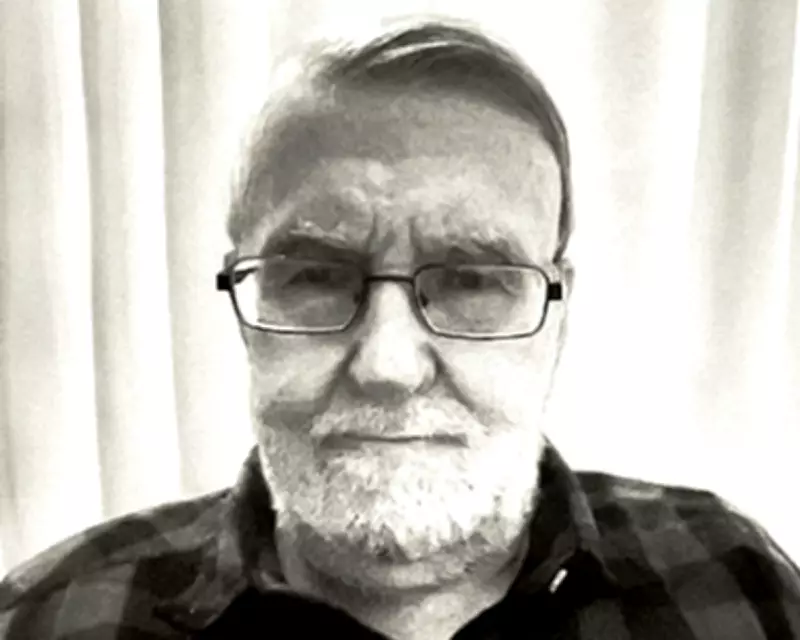
The independent cinema world in London has lost one of its most dedicated and influential figures with the passing of Peter Howden at the age of 80. For nearly two decades, from 1999 until his recent death, Howden served as the chief programmer and projectionist at the beloved Rio cinema in Dalston, north London, leaving an indelible mark on the capital's arthouse film landscape.
A Career Forged in London's Cinematic Heartlands
Howden's remarkable journey through London's independent cinema circuit began in the late 1960s at the Electric cinema in Notting Hill, west London. From this formative position, his innovative programming choices began to ripple outwards, influencing the direction of other notable repertory venues across the city. Both the Ritzy in south London and the legendary Scala in north London took significant cues from the pioneering work Howden was developing in west London, establishing him as a quiet but powerful force in shaping what Londoners watched on the big screen.
His most substantial tenure came at the Everyman cinema in Hampstead, where he programmed from 1981 to 1998. During this seventeen-year period, Howden lived in a flat above the auditorium with his cats, embodying the very essence of the cinema's independent spirit. He refined what colleagues describe as "the alchemic art" of creating compelling double and triple bills, frequently enhancing the experience with midnight screenings and engaging Q&A sessions. Beyond programming, he served variously as projectionist, accountant, and manager, demonstrating the multifaceted dedication required to keep independent venues thriving.

The Rio Years and Lasting Legacy
After a brief year-long hiatus, Howden brought his considerable expertise to the art deco Rio cinema in Dalston in 1999, initially as chief projectionist before assuming the role of main programmer. His impact there was profound yet characteristically understated. In 2009, the Rio achieved significant recognition, being named Independent Cinema of the Year in the Screen awards while also winning Marketing Initiative of the Year for successfully attracting younger audiences back to cinema-going. True to form, Howden preferred to work invisibly behind the scenes, rarely taking personal credit for such successes.
Colleagues remember him as a walking treasure trove of cinematic knowledge, always willing to share his expertise generously. One associate recalls applying unsuccessfully for a projection job at the Rio, only to have Howden offer training regardless—a testament to his commitment to nurturing film culture beyond personal gain.
Personal Passions and Private Nature
Born in York where his father worked at the local Rowntrees factory, Howden developed his passion for film while studying history at Sussex University, where he became a leading member of the student film society. His first professional role was as an administrator with Contemporary Films, an independent distributor specialising in foreign arthouse movies. In his spare time, he worked as a projectionist-for-hire, showing horse races on 16mm film in private apartments for wealthy gamblers—an unusual sideline that showcased his technical versatility.
Above all, Howden possessed a deep, abiding love for the world of film. He maintained nostalgic attachments to cinema's sensory experiences, confessing that he still enjoyed the aroma of cigarette smoke purely because it evoked memories of cinema-going and old Hollywood glamour. He once told a friend he could happily listen to fellow Yorkshireman James Mason reading the phone book all day. Yet despite these occasional revelations, he remained an intensely private individual who rarely discussed personal preferences and could never be accused of over-sharing.
Peter Howden is survived by his long-term partner, Wallace Kwong. The Rio cinema marked his passing with a tribute on its signage, a fitting recognition for a man who dedicated his life to the magic of cinema while asking for little recognition in return. His legacy lives on in the programming DNA of London's independent cinemas and in the memories of countless film enthusiasts whose experiences were enriched by his careful curation.