More than three decades after its release, the 1990 hip-hop comedy House Party remains a beloved cultural touchstone. In a retrospective look, the film's writer-director and its stars have revealed the unlikely journey from a student film concept to a mainstream hit that captured a pivotal moment in music history.
From Harvard Daydreams to New Line Cinema
Reginald Hudlin, the film's writer and director, first conceived the idea while still a student at Harvard University. In the late 1980s, he noted the absence of black music videos on MTV and began crafting them in his imagination. "One day, while listening to Luther Vandross's 'Bad Boy/Having a Party,' I thought: 'This could be a great music video or movie,'" Hudlin recalls. He wrote a script for a short film that night, which became a festival success.
The climate was ripe for black filmmakers following Spike Lee's She's Gotta Have It. New Line Cinema saw Hudlin's short and greenlit a feature-length version. However, the studio initially wanted the popular duo Jazzy Jeff and the Fresh Prince to star. Hudlin had other ideas.

Casting the Unproven Stars: Kid 'n Play
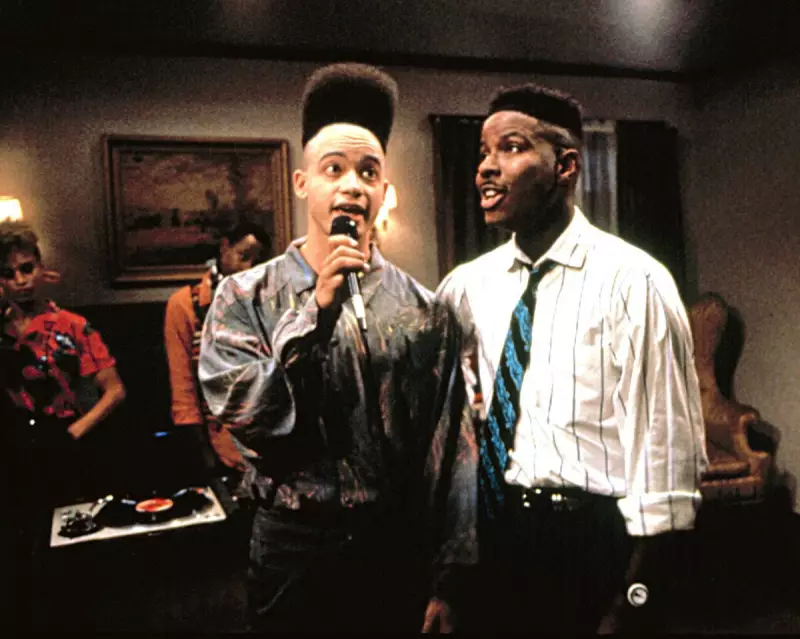
Hudlin was adamant about casting the hip-hop duo Kid 'n Play (Christopher "Kid" Reid and Christopher "Play" Martin), drawn to their energetic music videos and unique style. "The studio said: 'Who are these guys?'" Hudlin remembers. "I said: 'They've got platinum records.' I had no idea if they did!"
Christopher "Play" Martin was initially reluctant to take the role, fearing a repeat of Run-DMC's poorly received film Tougher Than Leather. "If Run-DMC can't pull off a hit movie, how the heck will Kid 'n Play?" he thought. He was outvoted by his partner and their producer, a decision he now calls "the best outvoted experience I've ever had."
The duo's eventual screen test for New Line was, by Martin's account, "horrible." Convinced they had lost the part, they were escorted out of the Manhattan offices only to be mobbed by swarms of schoolchildren who recognised them. "This VP went back upstairs and told his business partners: 'We need to grab these guys,'" Martin reveals, sealing the deal.
A Time Capsule of Pre-Gangsta Rap & A Hidden Message
The final film, about a grounded teenager desperate to attend the year's biggest party, successfully expanded Hudlin's original student short. It arrived just before the dominance of gangsta rap, perfectly capturing a specific, more playful era of hip-hop culture.
Beyond the comedy, House Party subtly addressed the burgeoning issue of safe sex. Hudlin approached the topic with care, likening it to hiding a pill in bacon for a dog. The strategy worked. "We won an award from a health clinic in New Jersey," Hudlin says. "Kids come in, ask for condoms and reference your film." He carried this lesson forward: "Make fun movies, but there's nothing wrong with a little protein in there."
The film's universal appeal was deliberate. Martin notes the clever decision never to specify the city or state, allowing "anyone to think it took place in their hood." Its influence is widely felt, inspiring numerous later films, while Hudlin himself sees its spirit reflected in works like Steve McQueen's Lovers Rock.
Despite the gruelling moments—including a scene where a car trunk slammed on Martin's hand and bent his ring—the result was a defining piece of 1990s cinema. House Party is now available on 4K UHD, allowing a new generation to experience the party that almost didn't happen.