French designer Lucas Lecacheur is turning heads with his unconventional surfboard designs, which include shapes inspired by crab pincers, stingrays, and duck feet. Despite their outlandish appearances, the boards are fully functional and have been tested in the water by Lecacheur himself.
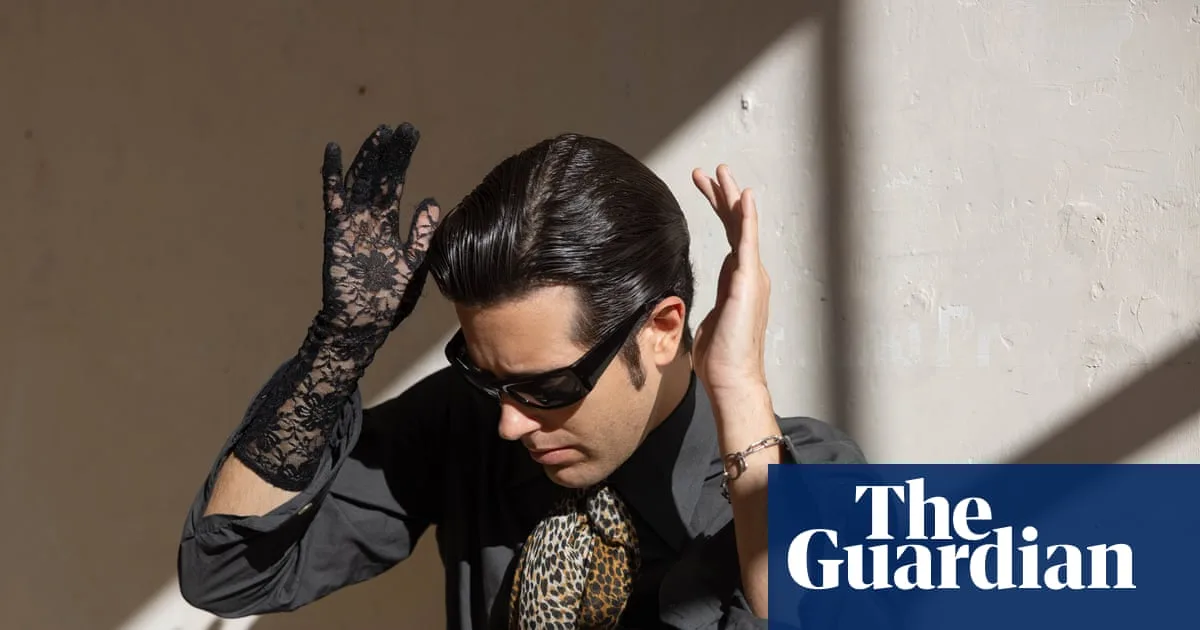
Lecacheur, who grew up on the French island Île de Ré, combines his background as a rock musician with his passion for surfing. He spent years touring with his band Bad Pelicans before turning his attention to surfboard design, aiming to 'reinterpret' the sport with a performance-driven edge. His creations range from a Brutalist board with sharp contours to a Medusa board with a flexible tail.
Currently in Australia for Melbourne Design Week, Lecacheur is living and working at the At the Above gallery in Fitzroy. He has created two new boards for the event: Château Rouge, a 10-foot board with a cowboy boot nose and forked tail, and another shaped by dragging it behind a ute in the Australian bush, collecting debris like wood and grass that will be preserved in resin.

Lecacheur's boards are made using traditional methods and materials like fibreglass, but his approach to design is anything but conventional. He often dresses in vintage suits from designers like Yves Saint Laurent and Armani when shaping boards, believing that 'style is a muscle.' His work has gained a following in Japan and the US, with his Guillotine board now held in a Tokyo gallery.