28 Years Later fans spark outrage with Jimmy Savile cinema costumes
Fans dress as Jimmy Savile for 28 Years Later screenings

The premiere of the highly anticipated horror sequel 28 Years Later has been overshadowed by a major controversy, as some cinema-goers have sparked fury by attending screenings dressed as the prolific sex offender Jimmy Savile.

Cinema Costumes Cause Public Backlash

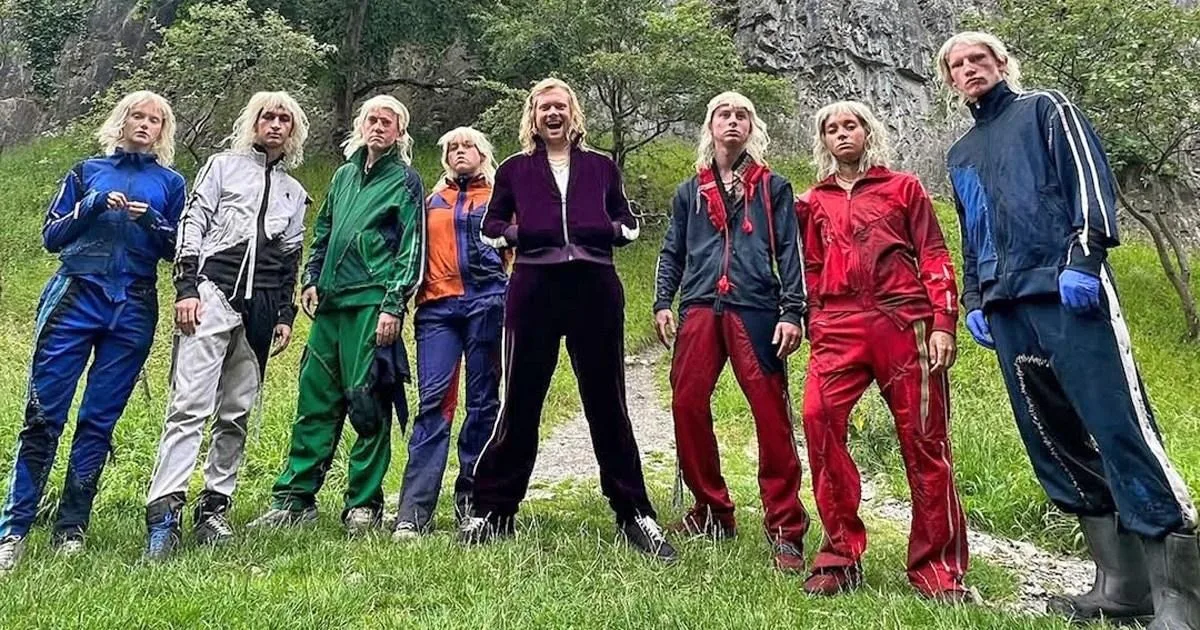
The disturbing trend emerged after the film, directed by Danny Boyle, was released in cinemas. The post-apocalyptic horror's ending features a violent cult whose fashion sense is directly inspired by Savile, complete with blonde wigs and trademark shell suits. This on-screen homage appears to have prompted a small number of fans to replicate the look in real life, leading to widespread condemnation on social media.

One furious viewer wrote on X: "Apparently americans are going dressed a jimmy f*****g saville to the cinema... and are justifying it because when the movie is set he hadn't been outed as a pedo yet... that man was f*****g evil." Another criticised the "dumbass Americans dressing up as and endorsing Jimmy Savile."

The Film's Controversial 'Nod' Explained

In the film, a 12-year-old boy named Spike is forced into a violent cult led by the unsettling Jimmy Crystal, played by Jack O’Connell. The cult members are Kung Fu experts whose aesthetic is modelled on Savile. The narrative justification, as explained by fans and the director, is that in the film's universe—where the UK fell in 2002—Savile's horrific crimes were never exposed. He remained a beloved public figure.

Director Danny Boyle, speaking to The Independent, elaborated on the thematic choice. "The role of Jack O’Connell’s character and his family... is to reintroduce evil into what has become a compassionate environment," he said. He added that writer Alex Garland described the first film as being about family, while "the second film is about the nature of evil."

A Legacy of Real-World Horror

The decision to reference Savile has drawn intense scrutiny. Following his death in October 2011, a police investigation concluded he was a predatory sex offender, with the full extent of his crimes against hundreds of victims becoming public knowledge. The character's inclusion, while a narrative device, has collided uncomfortably with the very real and painful legacy of Savile's actions, which were formally investigated and confirmed from 2021 onwards.

The incident highlights the complex and often risky interplay between cinematic fiction and sensitive real-world history. While Boyle's film uses the iconography to explore themes of evil, the sight of fans embodying that iconography in public has been met with understandable revulsion, blurring the lines between thematic commentary and tasteless glorification.