This week, a compelling new documentary film titled Disneyland Handcrafted has premiered, offering an unprecedented look into the creation of the world's most beloved theme park. The film, now streaming on Disney+ and Disney YouTube, delves into the remarkable story behind Disneyland, which continues to draw approximately 18 million visitors each year to its magical gates.
The Visionary Behind the Magic
Walt Disney, the proud creator of Disneyland, famously declared upon its opening on July 17, 1955 in California: "Disneyland is your land." Dubbed 'the happiest place on earth,' the park has since welcomed over 900 million guests who have enjoyed its enchanting rides, spectacular shows, and beloved Disney characters. The documentary vividly portrays how Disney's vision emerged during a tumultuous post-war era, providing a sanctuary of joy amidst global uncertainty.
A Labor of Love and Sheer Determination
Directed by Oscar and Emmy nominated Californian filmmaker Leslie Iwerks, granddaughter of legendary Mickey Mouse designer Ub Iwerks, the documentary features rare archival footage and original audio recordings. Iwerks explains: "At a time when there was so much strife in the world – the Korean War had just ended and the Cold War was looming – Walt created this place for people to come and enjoy and be happy."

The film reveals the extraordinary challenges faced during construction, with craftsmen and workers often risking life and limb to complete the project on schedule. Viewers witness remarkable scenes of construction workers straightening giant pylons while standing in digger scoops, roofers meticulously thatching houses by hand, and artisans perfecting the park's now-iconic buildings through plastering, painting, and smoothing.
The Financial Gamble and Strategic Planning
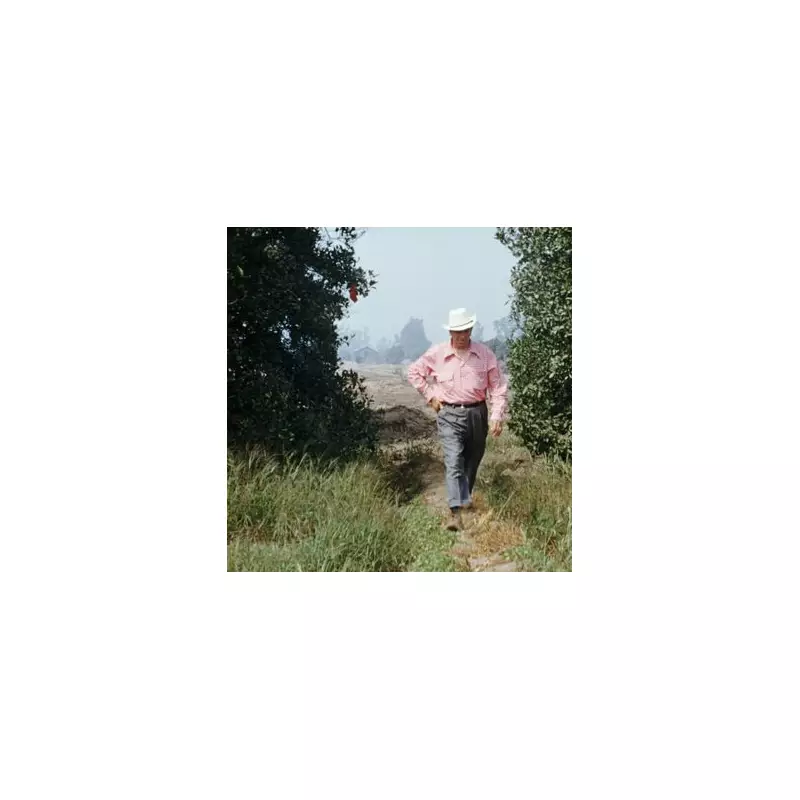
Walt Disney's decision to create Disneyland was considered by many to be one of the "greatest gambles of his life." After purchasing 244 acres of orange grove land near Anaheim, California, Disney faced skepticism about whether people would drive 30 or 40 miles from central California to visit such a destination. The strategic location near the new Santa Ana Freeway proved instrumental to the park's accessibility and future expansion.
Raising the $17 million needed for construction (equivalent to approximately $180 million today) required innovative financing approaches. Disney secured funding through various means including a groundbreaking television deal with ABC, selling shares, renting out shops, and even mortgaging his life insurance policy. This rare footage from the original television show now receives a second airing in Disneyland Handcrafted, providing fresh insight into the park's financial origins.
The Personal Inspiration
Walt Disney revealed that the inspiration for Disneyland came from his experiences with his two daughters, Diane Marie Disney and adopted daughter Sharon Mae Disney. He explained: "[Disneyland] came about when my daughters were very young, and Saturday was always Daddy's day. I took them to different places and as I'd sit while they rode the Merry-Go-Round and did all these things – sit on a bench, you know, eating peanuts – I felt that there should be something built where the parents and the children could have fun together. So that's how Disneyland started."
The Complex Legacy of Walt Disney
While Walt Disney brought joy to millions through his wonderful characters like Mickey and Minnie Mouse, Donald Duck, and Goofy, the documentary also addresses the more controversial aspects of his legacy. Behind his public image as a fun-loving family man, Disney was a complex and often difficult character with a reputation for holding problematic views.
Allegations of Antisemitism
Disney faced accusations of antisemitism throughout his career. In a scene from Disney's 1932 production Three Little Pigs (which was later reanimated), the wolf was portrayed by a Jewish peddler. Then, in 1938, just one month after Kristallnacht, Disney personally welcomed Nazi director Leni Riefenstahl to his studios, an action that has drawn significant criticism from historians and cultural commentators.

Accusations of Racism
The documentary examines how racial stereotypes appeared in Disney movies released during the 1940s, including Fantasia's black servant centaurette and Dumbo's black crows. The 1946 film Song of the South particularly drew criticism for stereotyping Black people and sanitising the experience of slaves post-Civil War, leading to its eventual removal from circulation. Additionally, reports indicate that in Disneyland's early years, there was a noticeable lack of African American employees, with the workforce being primarily white, raising questions about the company's hiring practices during that period.
A Volatile Temperament
Beyond these controversies, Walt Disney was known to have a complex, sometimes difficult, and highly driven personality. His temper was notoriously volatile, particularly in the high-stress environment of building his theme park empire. This aspect of his character adds further complexity to the legacy of the man who created one of the world's most enduring entertainment brands.
Enduring Popularity and Global Expansion
Despite these controversies and occasional closures for significant events like the national day of mourning for JFK's assassination in 1963 and following the September 11, 2001 attacks, Disneyland has maintained its position as the ultimate funseekers' holiday destination for seventy years. The magnificent theme park continues to delight millions of fans worldwide, with similar experiences now available at twelve Disney Parks spread across six resort destinations globally.
The California park aims to welcome its one billionth guest by 2031, a remarkable achievement for what Walt Disney always reminded people was something that "started by a mouse." The documentary Disneyland Handcrafted provides both celebration and critical examination of this extraordinary cultural phenomenon, offering viewers a comprehensive understanding of how Disneyland became the world's favourite theme park while acknowledging the complex legacy of its visionary creator.