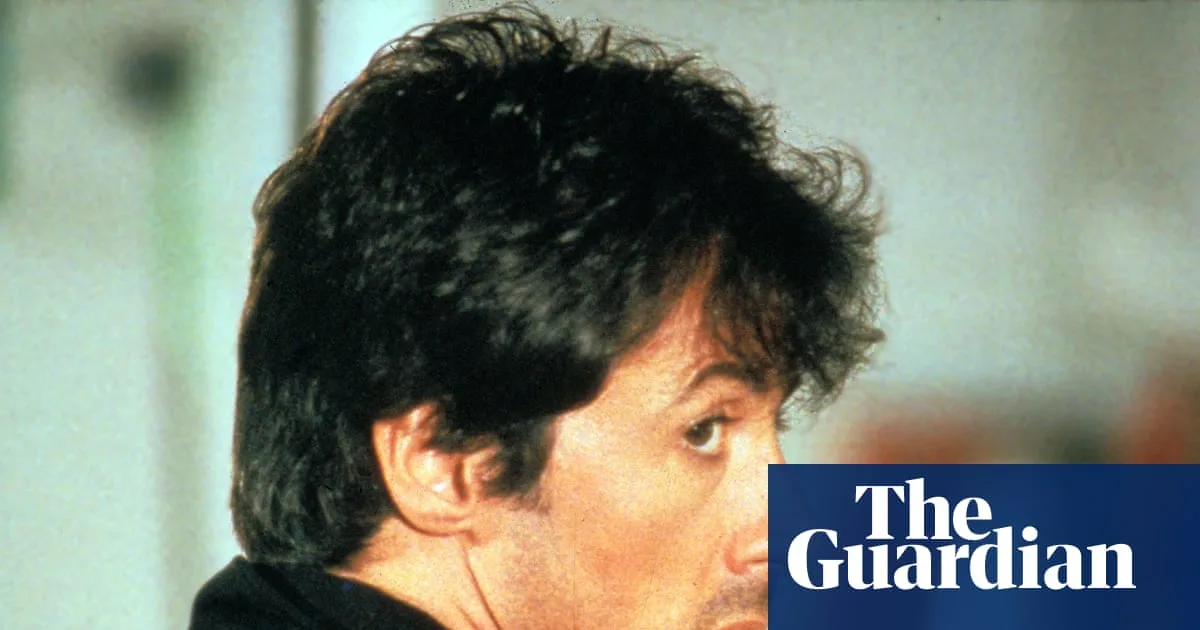
Cobra at 40: Revisiting Sylvester Stallone's Ultra-Violent Cult Classic
"Crime is the disease. Meet the cure." With one of cinema's most memorable taglines, Sylvester Stallone's violent, ultra-earnest action movie Cobra celebrates its 40th anniversary this year, inviting audiences to revisit its unique blend of ludicrous fun and self-serious intensity.
The Uncompromising World of Marion Cobretti
Marion "Cobra" Cobretti, portrayed by Stallone, is a tough Los Angeles police detective who operates entirely by his own rules. Sporting signature aviator sunglasses, a matchstick perpetually in the corner of his mouth, and a custom pistol emblazoned with a cobra emblem, he approaches law enforcement with a steely dedication to violence and wisecracks. His complete disregard for due process and procedural norms would make even the most maverick cinematic cops blush.
The film plunges viewers into a city terrorised by a murderous cult calling itself New World, whose members demonstrate their commitment to a survival-of-the-fittest philosophy through indiscriminate killing. Their leader, the fearsome Night Slasher played by Brian Thompson, wields a giant, spiked knife that looks borrowed from a heavy metal album cover. Cobretti and his partner Gonzales, portrayed by Reni Santoni, must stop the killings while protecting fashion model Ingrid, played by Brigitte Nielsen, the sole living witness to the Night Slasher's identity.
Political Complexities and Cinematic Simplicity
Cobra's politics undoubtedly sit on the iffy side of cinematic history. The uncomfortable truth about many maverick cop movies is their tendency toward right-wing sensibilities once you scratch beneath the surface. Cobra's suggestion that police officers should operate above the law feels particularly pointed in today's climate, and upon its original release, the film faced substantial criticism for its depiction of policing and glorification of violence.
Yet the movie's sheer ridiculousness makes these elements easier to digest and enjoy. Written by Stallone himself, adapting Paula Gosling's 1974 crime novel A Running Duck, and directed by George P. Cosmatos of Rambo: First Blood Part II fame, Cobra creates such a starkly monochrome universe of absolute good versus absolute evil that philosophical questions about police power rarely enter the viewer's consciousness. When Stallone gruffly mumbles about criminals deserving execution, or when fellow detectives suggest perhaps arresting suspects rather than shooting them, the effect is more laughable than polemical.
The Enduring Appeal of Absurdity
The contrast between Cobra's utterly sincere delivery and its absurd plot constitutes a significant part of its lasting charm. Stallone delivers a supersized performance throughout, whether twirling his gun like a cowboy or simply posing dramatically in doorways, constantly demanding audience attention with his physical presence.
The film offers numerous moments of indisputable coolness and unadulterated entertainment. Memorable scenes include a cult member threatening to blow up a supermarket, to which Cobretti retorts, "Go ahead, I don't shop here," and a bizarre sequence where the detective uses scissors to cut leftover pizza in his home office. These moments of unexpected humour punctuate the relentless violence.
Interestingly, traces of a lighter original tone occasionally surface, particularly in Cobretti's eye-catching hot rod with its "AWSOM 50" vanity plate and Bond-esque nitrous oxide booster—elements that sit somewhat incongruously with a character who genuinely enjoys putting bullets in what he calls "dirtbags."
Villainous Excellence and Cinematic Homage
One of Cobra's most underrated assets remains the Night Slasher himself, portrayed with bug-eyed intensity by Brian Thompson. As a menacing physical presence radiating maniacal rage, he creates one of action cinema's memorable villains, particularly during the final showdown where he bellows about wanting to cut out Cobretti's eyes.
The film also features clever casting with Andrew Robinson playing by-the-book detective Monte, finding himself on the right side of the law after portraying the Scorpio Killer in Dirty Harry—the movie from which Cobra most shamelessly borrows its aesthetic and thematic elements.
Critical Reception and Lasting Legacy
Cobra perfectly illustrates the frequent disconnect between critical reception and audience appreciation regarding blockbuster cinema. Reviled upon release for its excessive violence and questionable politics, and nominated for six Golden Raspberry Awards, the film nevertheless achieved substantial commercial success, turning a very healthy profit.
Four decades later, Cobra remains remarkably easy to enjoy precisely because it takes itself so seriously while demanding absolutely no seriousness from its audience. The movie's simple, ludicrous, excessively violent charms continue to entertain viewers who appreciate cult action cinema at its most unapologetically earnest. While its politics may raise eyebrows, its commitment to delivering pure, unadulterated action entertainment remains unquestionable.