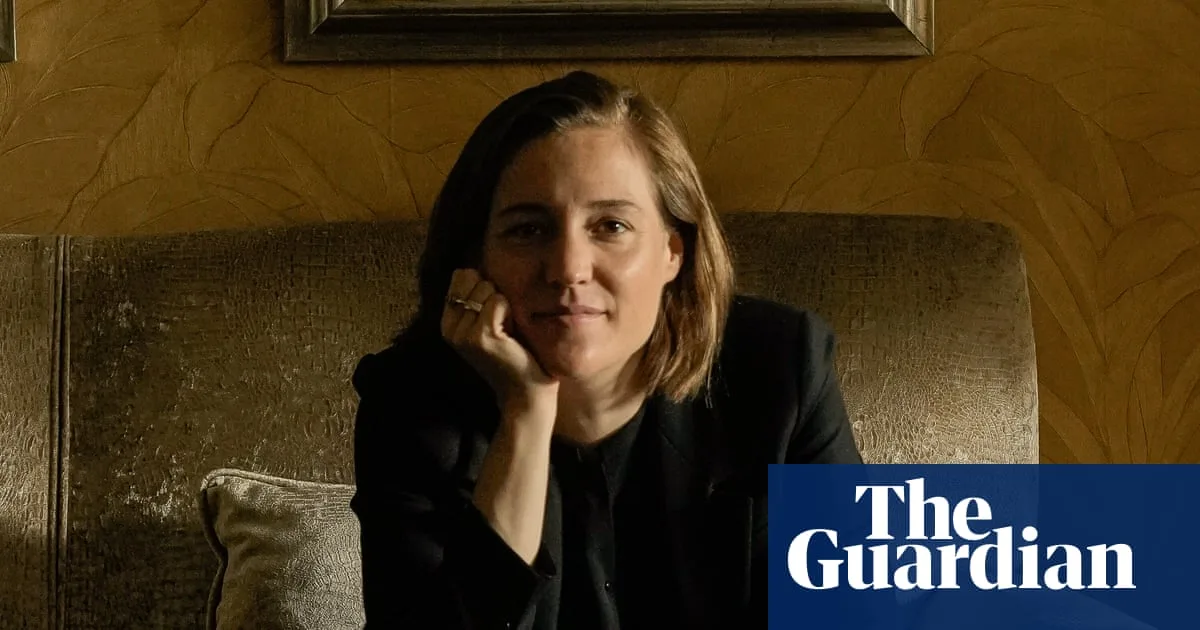
Carla Simón, the 39-year-old Spanish director, has become known for her ability to portray family gatherings as sprawling canvases of human virtue and vice. Her films, including the Golden Bear-winning Alcarràs and her new feature Romería, turn birthday parties and barbecues into thrilling scenes of kinship. Simón often works with children and animals, ensuring actors read scripts only once to encourage improvisation.
Simón’s own biography deeply influences her work. Born in Barcelona in 1986, she lost her father to Aids when she was three and her mother to the same disease when she was six. She learned at age 12 that her parents had been infected through drug use. Her first three films are strongly autobiographical: Summer 1993 (2017) follows a six-year-old orphan, Alcarràs (2022) is set in her adoptive family’s peach-growing community, and Romería delves into her biological parents’ story.
Romería follows 18-year-old Marina as she travels to Galicia to find her biological father’s death certificate. The film explores family secrets, including the revelation that her father died five years later than she was told. Simón based the film on her own journeys to meet relatives in Madrid, Barcelona, and Galicia. She says, “I wanted to do this journey out of curiosity, not resentment.”

The film includes real letters written by Simón’s mother, which open a window into her parents’ lives. “Her Catalan is full of mistakes, because teaching Catalan was banned under Franco,” Simón explains. “But they are the most important thing I have from my mother.” Simón’s work continues to explore family dynamics with a rare optimism, making audiences believe that keeping in touch with relatives can be wonderful.