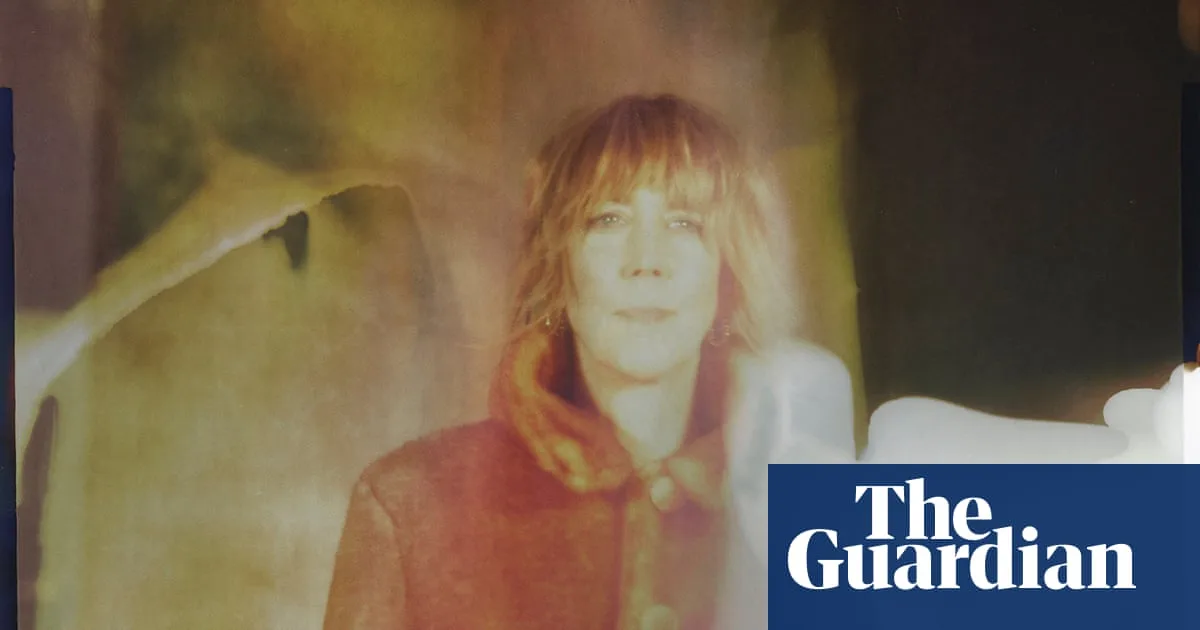
In a candid Q&A ahead of her new album, singer-songwriter Beth Orton reflects on her musical journey, from discovering her voice in experimental theatre to the financial realities of being a musician today. Orton, known for her ethereal folk-electronica sound, answered questions from fans on topics ranging from her earliest musical memories to the time a whole Tube carriage serenaded her.
Orton revealed she first realised she could sing while performing experimental theatre in 1989, turning a Rimbaud poem into a blues song to confront her fear of singing in public. She was later discovered by producer William Orbit, who declared, 'She can sing. I will make a star of her.' Despite her success, Orton admits she still struggles to see herself as a musician, saying, 'I still can't quite get my head around that.'
Discussing her creative process, Orton explained that inspiration often strikes during walks or conversations, leading to notes that later find their way into chords, melody and lyrics simultaneously. 'The easy part is the la la la, here's the idea... then it's like: this all came unconsciously, how do I write to that standard consciously? That can be really, really challenging,' she said.

Orton shared that her earliest musical memory was hearing David Bowie's 'Oh! You Pretty Things' played loudly by her brother. 'I heard something that made me feel excited for life,' she recalled. She also addressed her collaboration with the Chemical Brothers on 'Where Do I Begin', confirming it reflected the hedonism of mid-90s club culture, and reflected on the pressure she felt around her 1999 album 'Central Reservation', which she now reimagines in live performances.
When asked about AI's impact on music, Orton was unequivocal: 'AI isn't going to have any beneficial influence on humans.' She emphasised the irreplaceable value of human creativity and craft, drawing on her own experiences of financial survival in the industry.