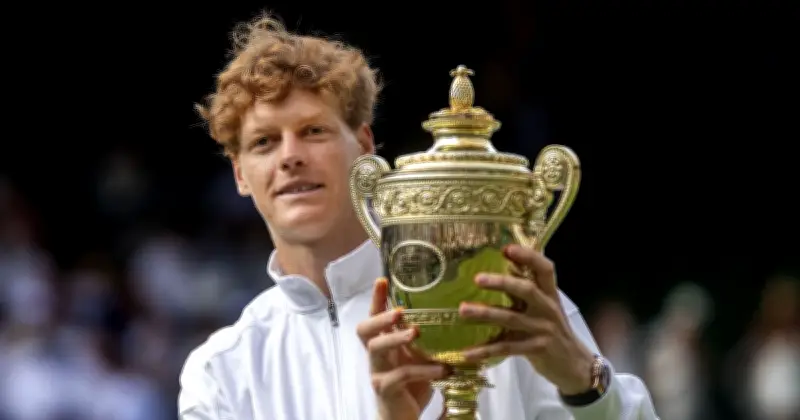
The Wimbledon men's singles trophy, officially known as the Gentlemen's Singles Challenge Cup, features a small golden pineapple perched on its lid. This unusual design has puzzled tennis fans for decades, but its origins lie in Victorian-era symbolism of wealth, hospitality, and elite status.
History of the Trophy
The current cup has been awarded to the men's champion every year since 1887. The All England Club commissioned this third iteration of the prize to ensure it could never be kept permanently, after William Renshaw won the previous two cups outright. The trophy is made of silver gilt and stands approximately 18.5 inches tall.
The Pineapple Symbolism
The pineapple atop the trophy dates back to the Victorian era, when the exotic fruit was widely recognised as a supreme symbol of hospitality, wealth, and elite status. During the 17th and 18th centuries, pineapples were incredibly difficult to cultivate in the United Kingdom and had to be imported at immense expense. Only the absolute richest families could afford them, so displaying a pineapple at a gathering became the ultimate indicator of high social standing.
Another prominent theory traces back to British naval history, where returning sea captains would supposedly place pineapples on their gateposts to signal a safe journey home. This association with welcoming guests made the fruit a fitting emblem for a grand tournament that prided itself on elegance and sportsmanship.
Why a Pineapple Was Chosen
By adorning the trophy with this rare commodity, the original designers deliberately sought to align the championship's prestige with the grandeur of the British upper class. The pineapple was chosen to emphasise that winning Wimbledon was a uniquely monumental achievement, akin to possessing the era's most sought-after luxury item.
Modern Champions and the Trophy
In 2025, Jannik Sinner claimed his first Wimbledon men's singles title by defeating defending champion Carlos Alcaraz in a thrilling four-set final. This victory allowed the Italian star to hoist the iconic cup on Centre Court.
Although players dedicate their lives to chasing this title, modern Wimbledon champions do not actually get to keep the original trophy. After celebrating on the grass court and displaying it at the official champions' dinner, the winner must hand the historic cup back to the club. The original prize is then carefully polished and securely displayed behind glass in the Wimbledon museum for the remainder of the year.
However, the champion does not leave empty-handed. They are permanently awarded a beautiful three-quarter-size replica bearing the engraved names of all past winners. This replica serves as a lasting memento of their achievement.
Conclusion
The pineapple on the Wimbledon trophy is a fascinating relic of Victorian fashion and social status. Its presence on one of sport's most coveted prizes underscores the tournament's deep-rooted traditions and its historical connection to British aristocracy.