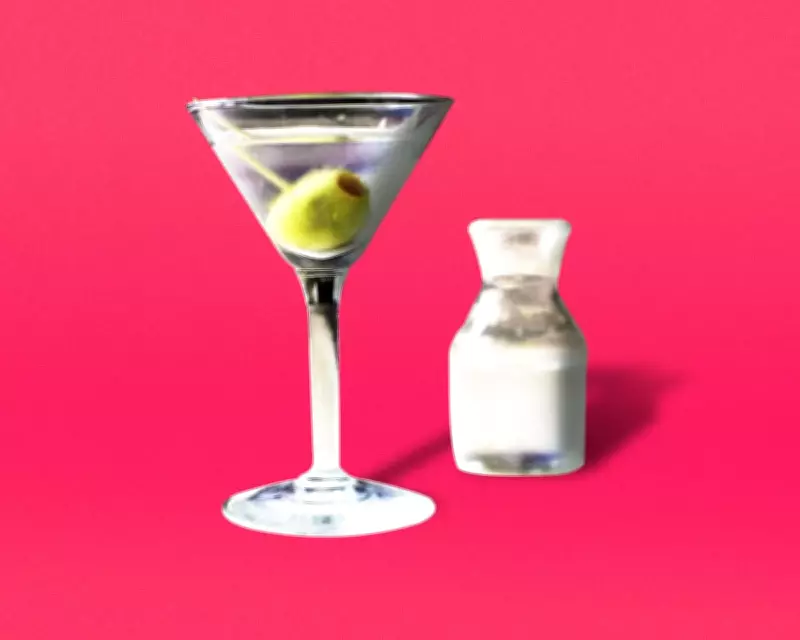
In the world of classic cocktails, few drinks command as much reverence and debate as the martini. Its elegant simplicity belies a complex ritual, and for many connoisseurs, one element is non-negotiable: the sidecar. This small carafe, placed on ice beside the glass, isn't just an accessory; it's a guardian of the drink's integrity.
The Case for the Chilled Companion
Imagine this familiar scene: you order a martini, and the bartender presents you with a glass containing just a sip, while the remainder rests in a miniature carafe nestled in ice. This is the sidecar in action, and according to aficionados, it should be standard practice. The rationale is straightforward yet compelling. A martini's allure hinges on its temperature. Served ice-cold, it transforms from mere alcohol into a sophisticated experience. Allowed to warm in the glass, it risks becoming what some describe as a "degenerate drink"—losing its context and elegance.
Honouring Tradition and Temperature
The martini has graced bars and lounges for over 150 years, evolving into a symbol of adult refinement. Typically made with gin—the choice of true purists—and a whisper of vermouth, it's garnished with a lemon twist or olive. Its strength is part of its charm; opting for a sweet cocktail might be seen as juvenile, whereas a martini demands maturity. Drinking one connects you to a lineage of great thinkers and socialites, evoking a sense of timeless intellect and chic sophistication.

Yet, beneath this patrician veneer lies a stark truth. As comedian Josh Sharp notes, the martini is essentially straight alcohol. Its classiness is largely a product of presentation—the delicate glassware and the crucial chill. Without these, it's little different from drinking lukewarm spirits from a makeshift container, which would rightly raise concerns. The sidecar acts as a safeguard, maintaining that essential coldness and preserving the bartender's artistry. Each sip from the carafe ensures the drink remains crisp, preventing the slow slide into warmth that can trigger existential doubts mid-sip.
A Plea to Drinking Establishments
For those who cherish the martini, the sidecar is more than a practical tool; it's a statement of respect for the drink and its drinker. It keeps indignity at bay, reinforcing the idea that you're not indulging in boozehound behaviour but partaking in a refined ritual. As Sharp passionately argues, all fine drinking establishments should adopt this practice. Sidecars for all martinis would elevate the experience, ensuring every glass stays as intended—ice-cold and impeccably elegant.
In summary, the martini's sidecar is a small but vital component. It honours history, maintains quality, and upholds the drink's esteemed reputation. So next time you order one, remember: choose gin, insist on that chilled little friend, and savour the timeless elegance it brings.