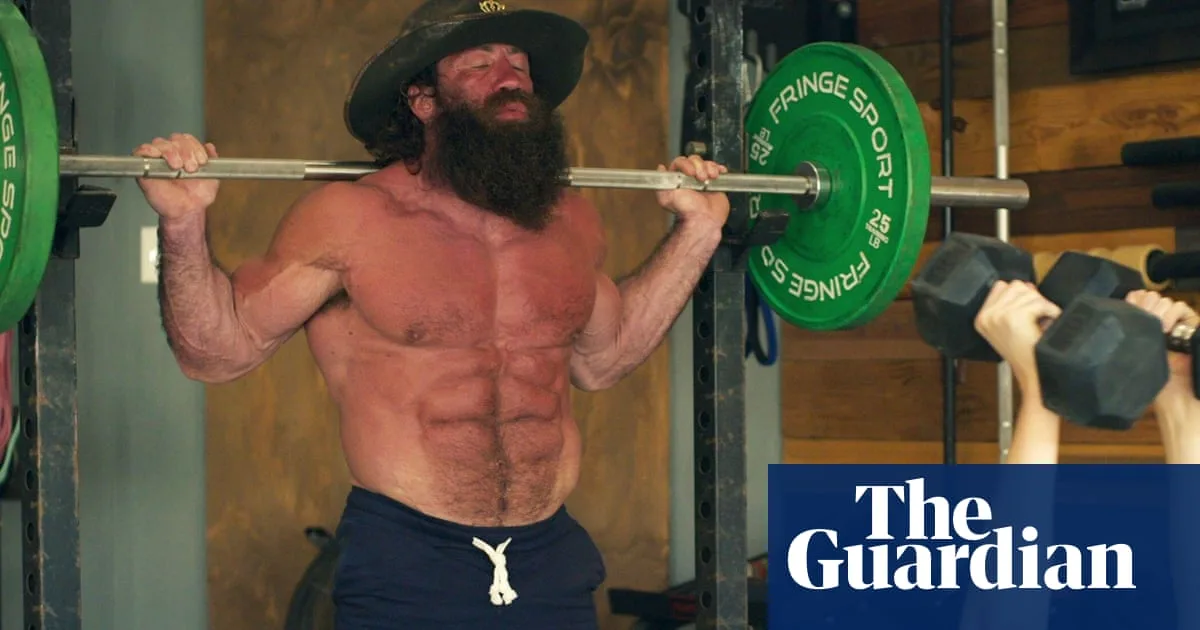
The fitness influencer industry is facing renewed scrutiny after the exposure of Brian 'Liver King' Johnson, who claimed his extreme physique was achieved through a diet of raw organs but was revealed to have spent over $11,000 monthly on anabolic steroids. Johnson's case, detailed in a new Netflix documentary, highlights a broader culture of deception among social media fitness personalities.
Many influencers promote unrealistic body standards while secretly using performance-enhancing drugs, including steroids, testosterone, and human growth hormone (HGH). Personal trainer James Smith, who has been open about his own past steroid use, notes that the fitness industry offers lucrative opportunities for those with decent genetics and marketing skills, creating incentives to use drugs to gain a competitive edge.
Only a tiny fraction of influencers admit to steroid use. Larry Wheels discussed his struggles with depression and lethargy from steroid abuse, while Sam Sulek acknowledged he could not reach his goal weight naturally. Rich Piana, who was open about his steroid use, died in 2017 at age 46 with a heart twice the normal weight.
The ease of starting a fitness business—through ebooks, meal plans, or supplement lines—combined with the pressure to maintain an impressive physique, perpetuates a cycle of secrecy. Experts warn that this deception skews perceptions of what is achievable through natural effort, particularly among young followers.