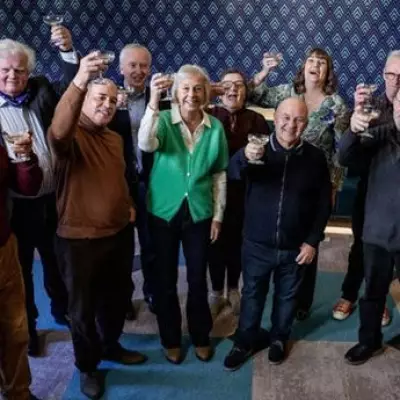
Valentine's Day is undergoing a significant cultural transformation, moving beyond its traditional focus on romantic couples to become a more inclusive celebration for everyone. A comprehensive new study reveals that February 14th is increasingly viewed as a day to honour all types of relationships, with younger generations spearheading this societal shift.
The Rise of Inclusive Celebrations
According to recent survey data from the dining reservation platform OpenTable, a substantial 57 percent of Americans now believe that Valentine's Day is evolving to celebrate all relationships rather than being exclusively about romance. This changing perspective reflects a broader cultural movement towards inclusivity and recognition of diverse social connections.
The research indicates that 58 percent of respondents feel that dining alone has become more socially acceptable compared to previous years. This normalization of solo activities during what was traditionally considered a couples' holiday represents a fundamental change in how society approaches Valentine's Day celebrations.

Gen Z Leading the Cultural Shift
Generation Z emerges as the primary driver behind this cultural transformation, with an impressive 70 percent of this demographic embracing the concept that Valentine's Day should encompass more than just romantic relationships. Their influence is reshaping how people of all ages approach the February holiday.
"Gen-Z is leading the charge in making Valentine's Day more inclusive," confirmed Cheryl Paniagua, OpenTable's vice president for restaurant sales and services, in an official statement. "Their approach to celebrating relationships of all kinds is fundamentally changing how we view this traditional holiday."
Galentine's and Palentine's Day Surge
The study reveals remarkable growth in alternative Valentine's celebrations. Galentine's Day, observed on February 13th as a day for women to celebrate female friendships, experienced a striking 34 percent increase in restaurant reservations between 2024 and 2025.
Similarly, Palentine's Day celebrations—where friends gather instead of romantic partners—are gaining significant traction. The research shows that 60 percent of Gen Z respondents plan to celebrate February 14th with friends rather than partners this year, indicating a substantial shift in traditional holiday dynamics.
Friendship Formation and Solo Dining Trends
Beyond established friendships, the inclusive Valentine's movement is fostering new connections. The survey found that 43 percent of Americans celebrating Galentine's or Palentine's Day intend to form new platonic friendships during these gatherings, suggesting these celebrations serve as social catalysts beyond mere entertainment.
Solo dining has also seen remarkable growth, with reservations for single diners increasing by 35 percent last year compared to 2024. Both Gen Z and millennials strongly support this trend, with 69 percent and 68 percent respectively believing that dining alone has become more socially acceptable than in previous years.
This comprehensive study illustrates how Valentine's Day is evolving from a narrowly-focused romantic holiday into a broader celebration of human connection in all its forms. The data suggests these trends will continue to shape how future generations approach relationship celebrations throughout the year.