The Twilight Zone Movie Set Tragedy: A Fatal Helicopter Crash
A catastrophic and gruesome accident on a Hollywood film set in 1982 resulted in the tragic deaths of actor Vic Morrow and two young child actors, Myca Dinh Le and Renee Shin-Yi Chen. The horrifying incident occurred during the filming of The Twilight Zone: The Movie, a production co-directed by cinema heavyweight Steven Spielberg and John Landis.
The Fatal Scene and Immediate Aftermath
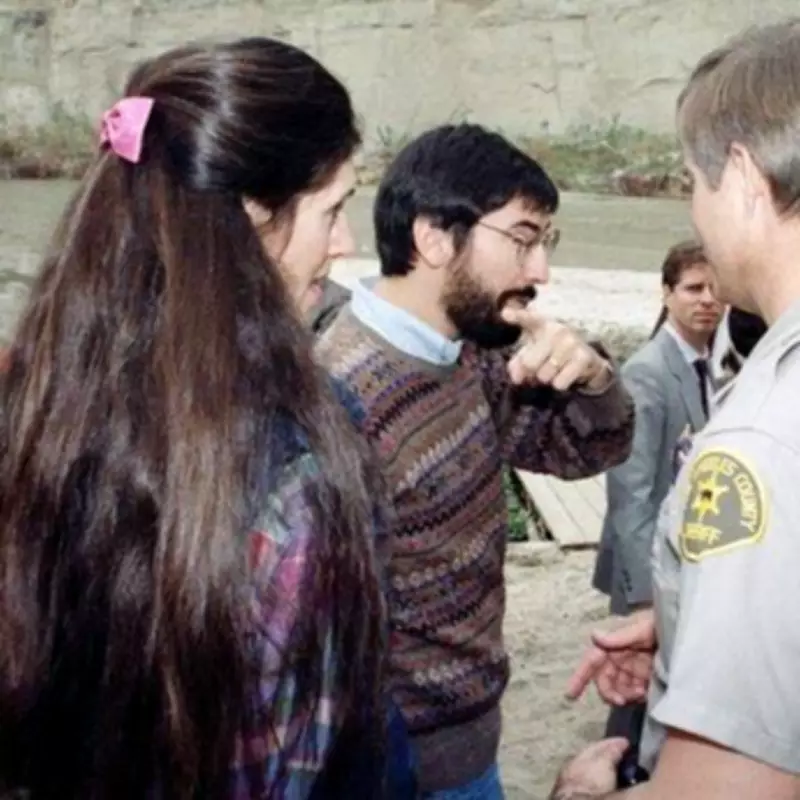
The disaster unfolded in the early hours of July 23, 1982, at Indian Dunes, California. At approximately 2:20 am, the crew was filming a helicopter sequence for a scene directed by John Landis. Vic Morrow, aged 53 and portraying a character named Bill Connor, was supposed to rescue the two children from an abandoned village during a simulated US military chase.
According to reports from The New York Times, a planned pyrotechnic blast unexpectedly struck the helicopter's rotor blades. This caused the aircraft to plunge into the water below. The devastating impact led to the horrific beheadings of Morrow and seven-year-old Myca Dinh Le, while six-year-old Renee Shin-Yi Chen was killed by the wreckage. Shockingly, the children's parents witnessed these nightmarish events unfold in real-time.

Six other individuals on board the helicopter sustained minor injuries. In the wake of the catastrophe, both civil and criminal proceedings were initiated against the production team, including director John Landis.
Legal Proceedings and Industry Reactions
After a gruelling nine-month trial, John Landis and four other defendants were ultimately cleared of involuntary manslaughter charges. However, the incident sparked significant controversy within the film industry.
A group of 16 prominent filmmakers, including Francis Ford Coppola, Ron Howard, John Huston, George Lucas, Sidney Lumet, and Billy Wilder, publicly expressed their support for Landis by writing a letter. Notably, Steven Spielberg refused to add his name to this list. In an April 1983 interview with the Los Angeles Times, Spielberg stated emphatically, "No movie is worth dying for." He further emphasized that actors and crew members have the right and responsibility to halt production if safety is compromised.
The families of Myca Dinh Le and Renee Shin-Yi Chen filed civil lawsuits, eventually reaching an out-of-court settlement for an undisclosed sum.
Investigative Findings and Regulatory Failures
The National Transportation Safety Board released its official findings in October 1984. The report determined that the probable cause of the accident was "the detonation of debris-laden high-temperature special effects explosions too near a low-flying helicopter." This led to foreign object damage and heat delamination of the rotor blades, causing the tail rotor assembly to separate and the helicopter to descend uncontrollably.
Investigators highlighted a critical failure in communication and coordination between the pilot, who commanded the helicopter operation, and the film director, John Landis, who was in charge of the filming. The helicopter was flying dangerously low, approximately 25 feet off the ground, in close proximity to the explosions.
Furthermore, the investigation revealed that having the children present on set violated child labour laws. These regulations explicitly prohibited youngsters from working at such late hours and from being exposed to hazardous conditions involving explosives or aircraft.
Legacy and Continued Availability
Despite the fatal incident, production on The Twilight Zone: The Movie resumed. The film was released in cinemas in June 1983 and remains available for viewing today. This tragedy serves as a somber reminder of the paramount importance of safety protocols and ethical practices in filmmaking, underscoring the devastating consequences when they are neglected.