Rough Trade Records, the independent label that has been a creative force in British music since 1976, achieved its remarkable success without a formal plan, according to founder Geoff Travis. The 74-year-old former teacher borrowed £4,000 from his father to open a record shop in Ladbroke Grove, West London, a neighbourhood known for its punk scene and home to The Clash. Travis recalled, "There wasn't a plan - the only plan was avoiding getting a real job!" He added, "It was heaven to be in a record shop, but when we opened I remember my dad thought we should be stocking suitcases - something sensible which would definitely sell. And I never did repay that loan."
From Record Shop to Label: The Early Punk Years
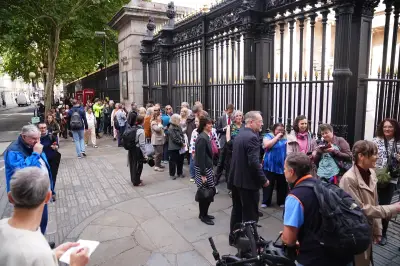
The Rough Trade store quickly became a hub for the burgeoning punk movement, with security sometimes needed to manage crowds. In 1978, the label was born after French punk band Metal Urbain sought help publicising their music. Early success came with the debut album by Irish punk band Stiff Little Fingers, which became the first independent album to chart in the UK. The Fall, Cabaret Voltaire, and Scritti Politti also signed with the label. Co-director Jeanette Lee, who joined in 1987, emphasised that community remains central: "People still gravitate to us because of our history. It’s different to the old days - there’s the internet now, for a start - but the way we behave as a business, our honesty and what we represent remains the same."
The Smiths: A Catalyst for Commercial Success
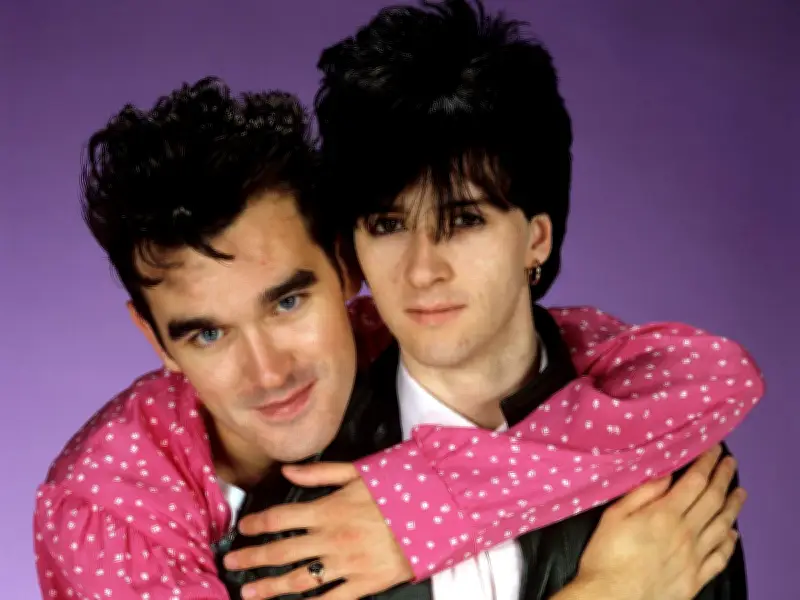
A turning point came in 1983 when Travis received a demo tape of a band called The Smiths. Their debut single "Hand in Glove" launched the band's stellar career and catapulted Rough Trade into a major commercial player, prompting a shift from handshake deals to employing a sales force. Travis, who described Morrissey as "very pleasant" but "difficult to read," said: "We realised The Smiths were something special, knew the music was something really good and it turned out even better than we thought. We couldn’t be certain it would succeed - no-one can see into the future; you just have to trust your gut."
Instinct-Driven A&R and The Strokes
Travis and Lee continue to rely on instinct when signing new artists. Travis explained: "We have a ridiculous sense of belief in our response to music - we have a high opinion of our own opinion! We don’t follow the herd and aren’t concerned with how many online followers anyone has." In 2000, just 15 seconds of music played down the phone from American rock band The Strokes was enough to prompt them to fly to the US immediately. Lee recalled: "They had an amazing rapport and they looked amazing too - they were like a gift. US audiences were initially uninterested in them - I guess there’s no accounting for taste."
Financial Hardship and Rebirth
The label faced financial difficulties in the late 1980s, with its distribution arm entering bankruptcy. Travis described selling the company's back catalogue to pay debts as "awful," but noted a positive outcome: "The fact we had to start over meant we never got so big and successful we lost sight of what we were doing." Rough Trade reacquired the rights to its name and, by 2001, had signed The Libertines, led by the charismatic yet troubled Pete Doherty. Lee recalled: "They were great song writers and so much fun. They were cheeky too - they’d be on the Tube doing a song and dance routine. Life was lived to the full every single day. But their rock and roll antics got the best of them. It all took a bit of a turn when Pete became really unwell. It was wonderful until it wasn't."
Pride, Awe, and the Future
When asked what he's most proud of, Travis said: "Working with Jeanette for the past 40 years." He named Arthur Russell's "Wild Combination" as the song that exemplifies Rough Trade's soul, calling it "unlikely and beautiful." Despite decades in the industry, both maintain a sense of awe. Travis joked: "I think I’d be intimidated if Van Morrison walked in the room. He once smiled at me when I met him on some stairs backstage - that was quite a moment." Lee, who met Paul McCartney, said: "I value the fact that I never get star struck but he said ‘hello’ and I let out a girlish giggle." Looking ahead, Lee noted challenges like post-Brexit visa regulations and the shift to streaming, but affirmed: "Hopefully we’ll still be here in another 50 years, listening to music, even if we’re on our walking frames!"