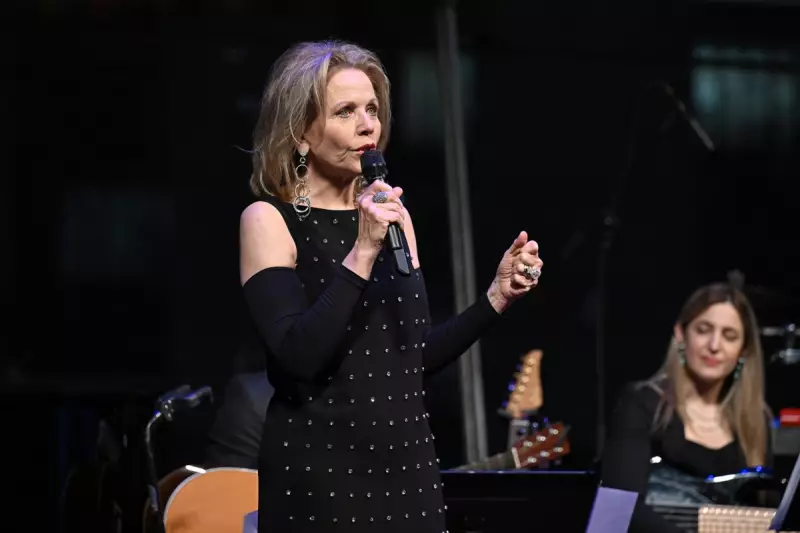
The prestigious Kennedy Center in Washington D.C. faces another significant artistic withdrawal as celebrated soprano Renée Fleming has cancelled her scheduled May performances. This development follows the venue's controversial renaming to the Trump-Kennedy Center and the ousting of previous leadership under the current administration.
Fleming's Withdrawal and Previous Resignation
The acclaimed Grammy-winning singer was set to perform with conductor James Gaffigan and the National Symphony Orchestra during two concerts in May. Her cancellation comes exactly one year after she resigned from her position as "Artistic Advisor at Large" at the institution. At that time, Fleming cited the forced departures of Kennedy Center Chair David Rubenstein and President Deborah Rutter as her reason for stepping down.
While the Kennedy Center's official statement attributes Fleming's withdrawal to "a scheduling conflict," the timing suggests broader concerns about the venue's direction. The institution confirmed that "a new soloist and repertoire will be announced at a later date, and the remainder of the program remains unchanged." Fleming herself has not publicly commented on her decision to cancel the appearances.

Growing Artistic Exodus from the Venue
Renée Fleming joins a growing list of prominent artists who have cancelled engagements at the Kennedy Center since the administration changes and renaming announcement. Notable figures including Lin-Manuel Miranda, Bela Fleck, and Issa Rae have all withdrawn from scheduled performances at the venue.
The situation unfolds against a backdrop of broader cultural tensions, with the current administration criticising what it terms "woke" culture in arts institutions. Earlier this month, the Washington National Opera announced it was severing ties with the Kennedy Center after more than five decades of performances at the venue, having been resident there since 1971.
Institutional Changes and Artistic Response
The Kennedy Center's transformation began with the removal of previous leadership and the announcement that the venue would be renamed the Trump-Kennedy Center. These changes have prompted significant concern within the artistic community about the institution's future direction and artistic independence.
The series of high-profile withdrawals represents one of the most substantial artistic boycotts of a major cultural institution in recent memory. As more artists reconsider their relationships with the venue, questions remain about how the Kennedy Center will maintain its programming quality and artistic reputation amid these ongoing challenges.