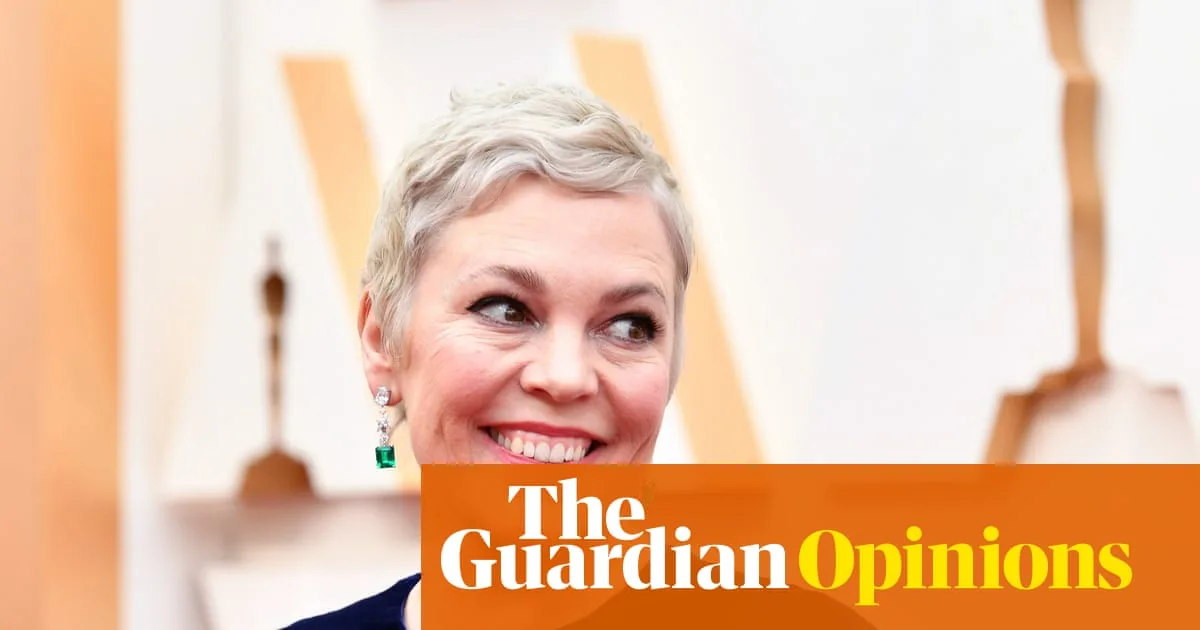
Olivia Colman has found herself at the centre of a culture war storm after comments she made about her gender identity were widely reported. In an interview with the American LGBTQ+ publication Them, the Oscar-winning actress said she has “never felt massively feminine” and has “always described myself to my husband as a gay man”. The remarks have drawn criticism from some quarters, with The Telegraph questioning whether she is “the most insufferable Left-wing celebrity in Britain”.
Writing in The Guardian, Jason Okundaye defended Colman, arguing that her comments were harmless and reflective of a broader truth about the fluidity of gender and sexuality. He noted that many people experience “moments of disorientation around gender” and that it is “silly, messy and contradictory” to expect identities to be neatly categorised. Okundaye, a gay man, said he found Colman’s comments “relieving” and dismissed accusations of erasing the homosexual male experience as “tosh”.
The controversy stems from Colman’s remarks during a promotional interview for her upcoming film Jimpa, in which she plays the mother of a non-binary teenager. She said: “Throughout my whole life, I’ve had arguments with people where I’ve always felt sort of nonbinary … I’ve never felt massively feminine in my being female. I’ve always described myself to my husband as a gay man. And he goes, ‘Yeah, I get that.’”
Okundaye argued that the backlash reflects a tendency in Britain’s rightwing media to seize on any mildly provocative statement about sexuality and gender. He cited the work of gender theorist David Halperin, who argued that gayness is “something you do” and that “you don’t have to be homosexual in order to do it”. Okundaye concluded that Colman should “ignore the cynics” and continue to express herself freely.