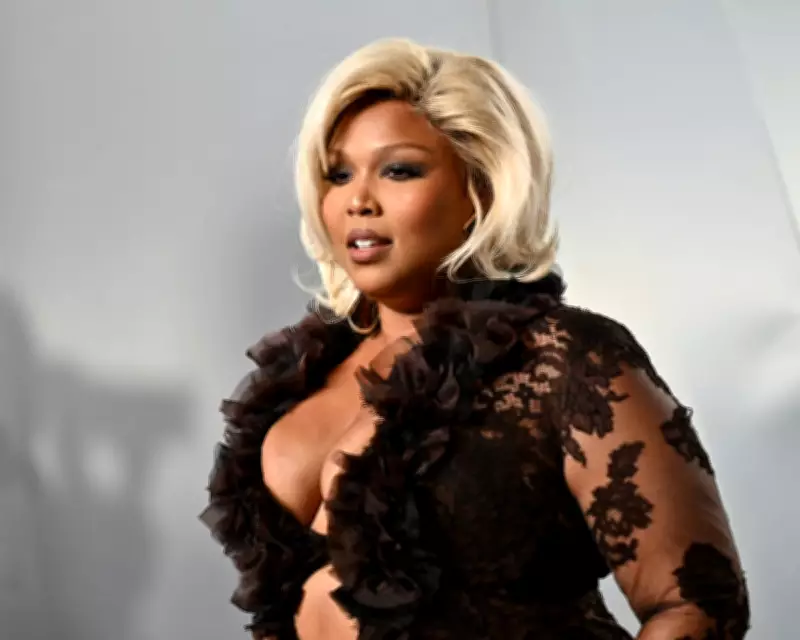
Lizzo's Reinvention Faces Its Greatest Test Yet
The singer's body-positive anthems once defined her public persona, but now a series of lawsuits, significant weight loss, and underperforming singles have profoundly shaken her image and career trajectory.
From Fairytale Ascent to Mainstream Stardom
Lizzo's rise to mainstream fame was a classic pop fairytale. A long-hustling musician, she was raised in Houston and later developed her sound in Minneapolis. She received a notable co-sign from Prince two years before signing with a major label, and it took another three years after debuting on Atlantic Records for her name to become globally recognized.
Once the world learned her name, it became nearly impossible to escape her influence. In 2019, she experienced a string of sleeper hits that climbed to the top of the charts. First, the bouncy break-up anthem Truth Hurts, originally released in 2017, stormed to number one. Then, the empower-pop track Good as Hell from 2015 joined it in the top 10. For several years following, Lizzo appeared unstoppable, defying the odds stacked against her as a brown-skinned, plus-size pop star who delivered athletic performances and dressed as boldly as her thinner peers. Her brash, radical image made her controversial to many, yet she became a hero in the body-positivity movement.

The Waning of a Midas Touch
Since 2022, however, Lizzo's midas touch has noticeably waned. This decline is not due to a lack of effort. She has released three new singles, all in the throwback-pop style that initially catapulted her to platinum status and arena tours worldwide. Additionally, she dropped a brattier, heavier rap-centric mixtape. She has continued to perform live shows, promote her fashion brand Yitty, and share her life on social media platforms.
Yet, there is only so much a pop star can achieve when facing a misconduct lawsuit. In 2023, just weeks after her appearance on the massive Barbie soundtrack, three of her former back-up dancers filed a lawsuit against her, her production company, and her dance captain. The allegations starkly contrast with the progressive feminist image that made her a body-positivity icon. Lizzo was accused of sexual misconduct, weight-shaming, and creating a hostile work environment. These claims were supported by her former creative director, another back-up dancer, and a film-maker who had trailed her in 2019 for a documentary. A month later, fashion designer Asha Daniels filed a similar lawsuit alleging sexual and racial harassment and disability discrimination, though a judge ruled Daniels could not sue Lizzo as an individual. However, the suit against Lizzo's production company remains ongoing.
Maintaining Innocence Amid Public Scrutiny
Lizzo has consistently maintained her innocence, calling the allegations absurd and requesting that a Los Angeles judge dismiss the back-up dancers' case, a request that was denied. In a New York magazine cover story, she further defended herself, suggesting the claims were an attack on her character and career.
For both long-time and newer fans, the lawsuit has unraveled the very foundation of Lizzo's brand. Combined with her widely discussed weight loss in recent years, her once-radical and empowering image has begun to feel like a sham to many. The public now questions her true identity, and the lack of buzz around her recent singles indicates that this confusion persists, even for Lizzo herself.
Struggles for a Chart Comeback
Despite being signed to Atlantic Records, Lizzo's attempts at a chart comeback over the past year have largely fallen flat. Her 2025 singles, Love in Real Life and Still Bad, were intended to lead a new album titled Love in Real Life. These tracks featured the funky, rhythmic retromania and Instagram-friendly lyrics that defined her earlier hits, yet neither managed to crack the Billboard Hot 100. She later revealed to New York magazine that she was working on an entirely new album.

With last June's surprise mixtape, My Face Hurts From Smiling, Lizzo seemed to explore deeper artistic territory. The sound was less polished and more relaxed than the radio-friendly funk-pop that built her global stardom. While it might have appealed to OG fans familiar with her indie rap days, featuring collaborations with stars like Doja Cat and SZA, the project failed to gain significant attention. Nearly half of the songs have barely surpassed a million streams on Spotify.
New Cycle and Public Disinterest
This month, she launched a new cycle with the single Don't Make Me Love U, blending influences from Tina Turner's Private Dancer era and Michael Jackson's Bad era. The video, more attention-grabbing than her recent output, shows Lizzo singing to a larger-bodied version of herself from the Cuz I Love You era, recreating the album cover as she hugs her past self. This provocative visual attempts to address constant commentary about her body and shift towards body neutrality, as she described it in New York magazine. However, public interest appears minimal, with the video receiving less than half a million views in its first two weeks—a stark fall from grace for a major label pop star. In an era dominated by GLP-1 weight-loss drugs and dangerously thin female celebrities, her message feels emptier than ever.
Room for Sound but Lack of Impact
There is still a place for Lizzo's kitschy, nostalgic dance-pop on the charts, even if her new songs lack the energy and novelty of her breakthrough hits. They remain recognizably her style, finding syncs in trailers and TV shows. Lizzo has made flashy returns to platforms like Saturday Night Live and daytime talk shows. Yet, her recent press appearances and social media posts carry a hint of desperation, as she tries to recapture the zeitgeist she once commanded effortlessly. Earlier this year, she made controversial comments about the Epstein files on TikTok, which she later deleted. This week, she revealed intimate details about waiting until her first Grammy win in her 30s to lose her virginity. Both incidents grabbed headlines in ways her new music has not.
Intimate Performances and Public Apathy
Her recent shows, such as mini-residencies at the Blue Note in Los Angeles and New York, have showcased her vocal talents in more intimate settings. These performances were well-reviewed, highlighting her skills honed in the Minneapolis club circuit. While she still possesses some artistic juice, the general public, not attending these gigs or watching clips, seems to have moved on, leaving Lizzo's relevance on the shelf.
A Shameful Loss for Mainstream Culture
It is a shame to lose a star like Lizzo from the mainstream, one who made fans who resembled her feel powerful and seen in a world that often ignored or punished them. However, the more painful truth is that this version of her may have never truly existed. Currently, Lizzo's main goal appears to be maintaining what she has already lost, but the climb back to the top may be far more challenging than she realizes.