A fascinating new linguistic survey has exposed a stark generational divide in how Britons talk about sex, revealing that many once-popular euphemisms have been consigned to history by the younger generation.
The Great Slang Divide: Vintage Phrases vs. Modern Lingo
Research conducted by Perspectus Global, which surveyed 2,800 Britons, shows that traditional slang terms for sexual activity are now largely unrecognisable to Generation Z. The study aimed to shed light on the evolving vocabulary surrounding a topic often considered taboo.
Outdated and Abandoned: The Phrases Falling Out of Favour
The survey identified a clear list of terms that have become linguistic relics. Topping the list as the most outdated phrase is 'how's your father', with a significant 80% of Gen Z respondents admitting they have never used this expression, which was coined by early 20th-century music hall comedian Harry Tate.

Other phrases now gathering dust include:
- 'A knee-trembler' – widely shunned by the younger generation.
- 'Making love' – surprisingly, 71% of Gen Z say they would never use this phrase.
- 'Slap and tickle' – avoided by 68% of young people.
- 'Hanky-panky' – leaves 67% baffled and unused.
Further terms deemed passé include 'rumpy pumpy', 'nookie' (with 48% never using it), 'screwing', 'getting your leg over', and 'a seeing-to'. Harriet Scott, founder and CEO of Perspectus Global, commented on this linguistic shift, noting that language evolves rapidly, especially around taboo subjects like sex, which have historically relied on euphemism and metaphor.
The New Lexicon: What Gen Z Actually Says
In stark contrast, the survey pinpointed the new dominant slang used by young Britons today. The clear favourite is now the term 'smash', chosen by a substantial 75% of Gen Z respondents.
This is closely followed by the culturally loaded phrase 'Netflix and chill', used by almost two-thirds (65%) of youngsters. Other popular modern terms include:
- 'Get with' – used by 59%.
- 'Hook up' – favoured by 60%.
- 'Do the deed' – opted for by 47%.
Generational Perceptions: Humour vs. Explicitness
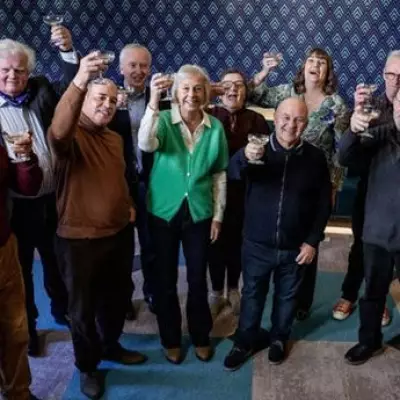
The research also uncovered a notable difference in how different age groups perceive this evolving slang. Among respondents over 50, there is a sense of nostalgia for the linguistic past.
Seven in ten (72%) of this older cohort feel that slang terms for sex used to be lighter and more humorous. Furthermore, a significant 82% believe that some of the new Gen Z terms sound harsher and more explicit by comparison.
A Broader Context of Linguistic Revival
This news follows separate research from language learning app Preply, which discovered a resurgence in once-forgotten regional slang terms like 'lass', 'owt', and 'scran'. Anna Pyshna, a spokesperson for Preply, explained that such regional terms, traditionally confined to local communities, are now spreading into everyday national conversation, embracing the diversity of British dialects.
Harriet Scott added historical context, pointing to even older euphemisms from Edwardian and Victorian times, such as 'a tiff' for a quick encounter, 'playing at St George' for a woman being on top, or 'having a brush' for a casual, fleeting sexual encounter.
The study ultimately highlights a rapid and ongoing evolution in British colloquial language, demonstrating how societal attitudes, generational change, and the breaking of taboos are directly reflected in the words we choose to use.