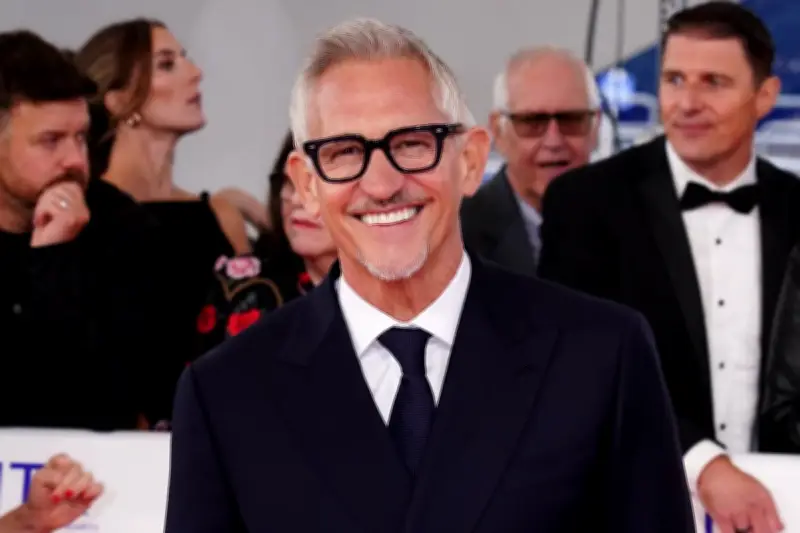
Gary Lineker has criticised the BBC after the broadcaster suggested that England fans chanting “Zionism is terrorism” could be breaking the law. The former England footballer and current Match of the Day presenter took to Instagram to express his displeasure with the corporation’s stance.
Lineker’s Response
In a post shared with his millions of followers, Lineker questioned the BBC’s judgement, arguing that the chant was a political statement rather than an incitement to hatred. He wrote: “So the BBC is now saying that chanting ‘Zionism is terrorism’ is a crime? That seems like a dangerous precedent to set. Political speech should be protected, not criminalised.”
The BBC’s Original Statement
The controversy began when the BBC published an article stating that the chant, heard during England matches, could potentially violate laws against inciting racial or religious hatred. The network cited legal experts who warned that such chants might be considered hate speech under UK law.
However, after backlash from Lineker and others, the BBC issued a clarification, saying it did not intend to suggest that the chant itself was illegal but rather that it could be interpreted as such in certain contexts. The broadcaster added that it was not advocating for legal action but merely reporting on the debate.
Broader Context
The chant “Zionism is terrorism” has been heard at recent England games, prompting discussions about anti-Semitism and political protest. Some Jewish groups have condemned the chant as anti-Semitic, while others argue it is a legitimate critique of Israeli policy.
Lineker, who has been outspoken on political issues before, including migration and Brexit, received both support and criticism for his comments. The BBC has not commented further on the matter.
Lineker’s Previous Controversies
This is not the first time Lineker has clashed with the BBC. The presenter has previously been reprimanded for breaking the corporation’s impartiality rules with his political tweets. However, he remains one of the BBC’s highest-paid stars.
The incident highlights the ongoing tension between free speech and hate speech laws, particularly in the context of the Israeli-Palestinian conflict. As the debate continues, Lineker’s intervention ensures the issue remains in the public eye.