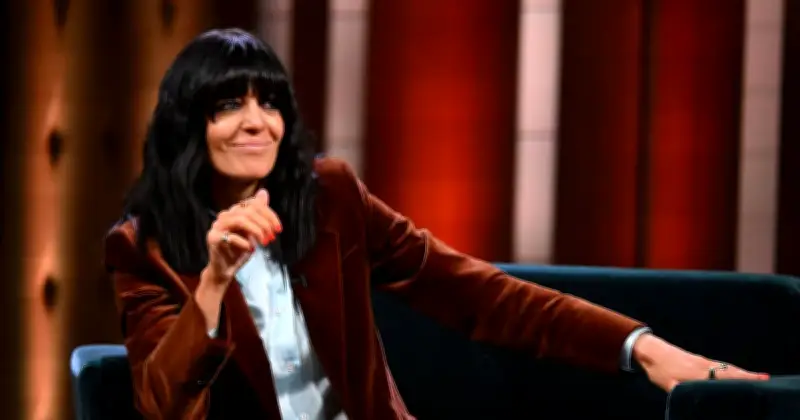
Claudia Winkleman has quit her BBC chat show after just seven weeks, admitting she was "too nervous to enjoy it" and regretting the departure from her comfort zone. The 54-year-old broadcaster, best known for co-hosting Strictly Come Dancing with Tess Daly, announced her decision on Thursday, July 16, 2026, following a stiff and uncomfortable run that critics say highlighted her weaknesses as a solo presenter.
Winkleman's Struggle with Solo Presenting
In a statement, Winkleman said she was "incredibly grateful to the BBC" for commissioning the programme, but ultimately found the experience overwhelming. "Sometimes, you have to try something to see how it fits, and I realised I was just too nervous to enjoy it," she said. "Maybe one day I will give it another try, but for now I already have the best jobs in the world and absolutely love the shows I'm doing."
Throughout the seven-week run, viewers noted her awkwardness and lack of confidence. The mum-of-three appeared "stiff and wooden," according to observers, and relied heavily on giggling and chattering, a stark contrast to her sharp wit on Strictly. Without her co-host Tess Daly to riff off, she struggled to connect with guests and the audience.
Comparison to Previous Roles
Winkleman's career has thrived in controlled environments. Her role on Strictly began with the pre-recorded spin-off It Takes Two, which she hosted for six years before stepping into the results show, also pre-recorded. It wasn't until 2014, following Sir Bruce Forsyth's departure, that she became the main co-host alongside Daly, with whom she built a solid on-screen friendship that boosted her confidence.
Similarly, her stint on BBC Radio 2's mid-morning show (2020-2024) and her current role as host of The Traitors—filmed at Ardoss Castle—benefit from editing or a relaxed atmosphere. In contrast, the live talk show format exposed her nervousness, as she couldn't ask for retakes or rely on a co-host.
Future Prospects
Despite the setback, Winkleman remains a beloved figure in British television. Observers note that with more solo experience, she could become the BBC's "new golden girl." However, the talk show's failure underscores the challenge of transitioning from ensemble to solo presenting.