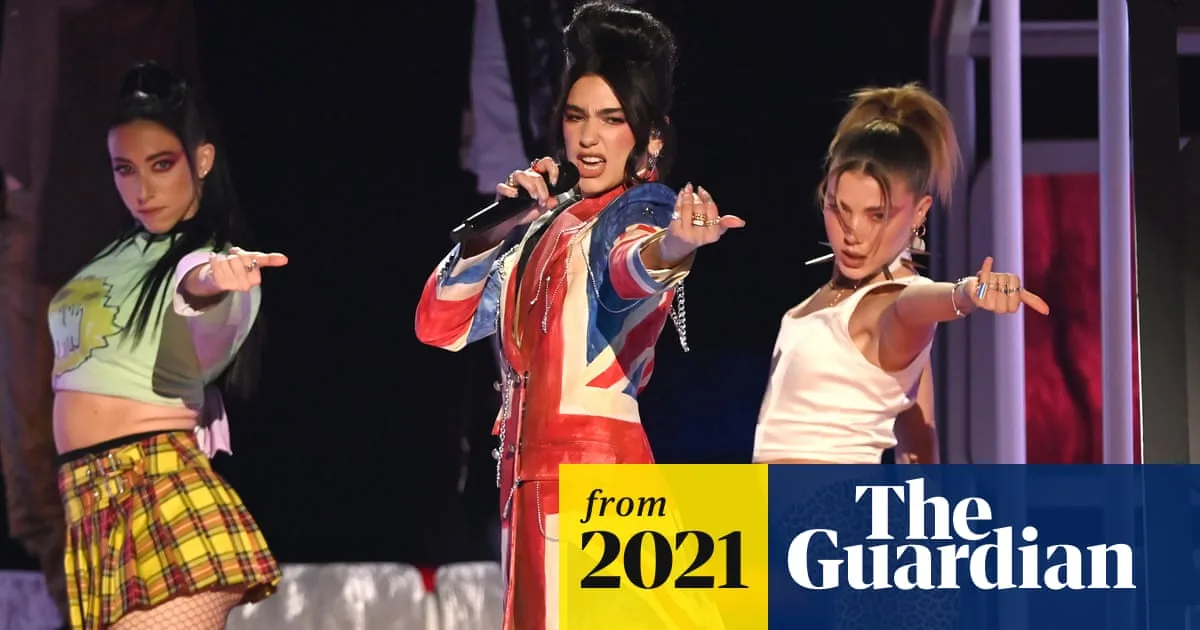
The union jack has made a notable return to public spaces, from the Euros crowd shots to Boris Johnson's face mask and Dua Lipa's Brits performance. But after Brexit, rising Scottish independence momentum, and far-right associations, the flag's meaning remains contested.
Liza Betts, a fashion lecturer at the University of the Arts London, notes that the context of its use is still a source of tension. The flag has a dual role: a symbol of celebration and silencing. Post-war, it adorned 'Victory' designs; in the 1960s, it became cool via Twiggy and Pete Townshend.
The 1970s punk scene deconstructed the flag, ripping it up in anti-establishment gestures. Yet in the same decade, the National Front adopted it, and later the British National Party, a stain echoed in some Brexit values. Kehinde Andrews, professor of Black Studies at Birmingham City University, says Brexit politicised the flag, tying it to xenophobic British identity.
Stormzy's 2019 Glastonbury performance, wearing a Banksy-designed union jack vest, offered a transformative critique. The faded monochrome design was far from nationalistic reds and blues, representing a complicated version of Britishness. The fracturing of 'Britishness' has deepened with Scottish independence drives and pandemic isolation.
Dua Lipa's Brits outfit referenced Geri Halliwell's 1997 union jack dress, but Betts says we are in a very different place now. Cool Britannia celebrated Britishness; today, the flag's meaning is far from straightforward.