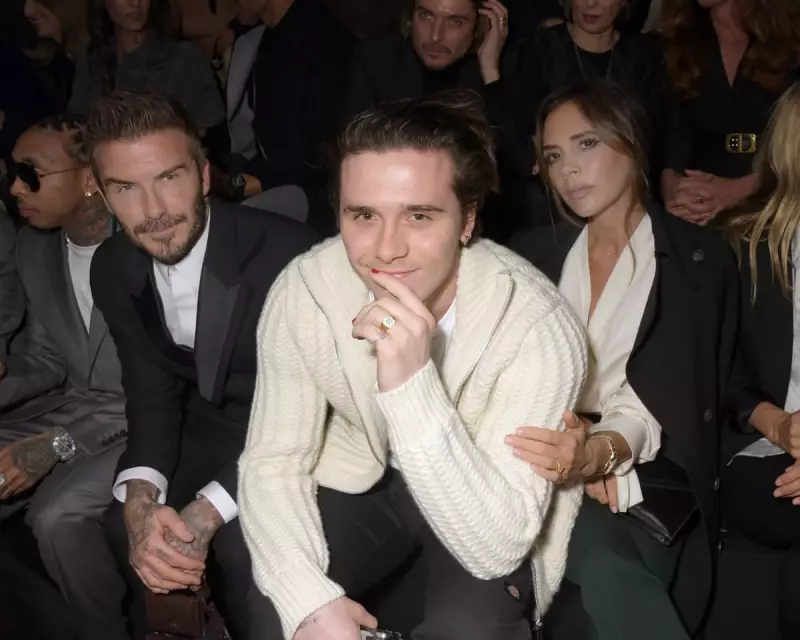
In a dramatic public rupture, Brooklyn Peltz Beckham has launched a scathing social media attack against his famous parents, David and Victoria Beckham, accusing them of treating him as a commercial prop since birth. The explosive Instagram post, described as going "nuclear," has thrown the carefully curated world of Brand Beckham into disarray and ignited a fierce public debate about privacy, exploitation, and the price of fame.
The Instagram Missile: A Son's Accusation
The incident, which dominated news alerts and became one of the Guardian's most-read stories, saw the 24-year-old unleash a torrent of grievances. In a post on 17 January 2020, though the fallout is current, Brooklyn accused his family of valuing "public promotion and endorsements above all else." He claimed "Brand Beckham comes first" and that familial affection is measured by social media posts and readiness to pose for photo opportunities.
This public broadside starkly contrasted the image presented in Victoria Beckham's Netflix documentary last October, which entirely omitted the evident and painful estrangement from her eldest son. The documentary, like David's before it, was a self-commissioned project where the subject served as executive producer—a polished advertorial that avoided the messy reality now spilling into public view.

A Life For Sale: The Commodification of a Child
The roots of this conflict trace back decades. Brooklyn Beckham has been a commercial entity since before he was born, with the story of Victoria's pregnancy sold to the highest bidder. His parents famously sold the first pictures of him as a newborn, intimate glimpses of his nursery, and even their own wedding, staying up until 3am to select images for OK! magazine.
Proprietor Richard Desmond's autobiography recounted regular meetings at Victoria's parents' house to "plot and plan the next features," always accompanied by a substantial cheque. As their fame grew, so did their business acumen. They built a diversified empire, expertly navigating the rise of social media to channel their brand. Family moments became curated content, with declarations of love photographed, tagged, and monetised.
The Unravelling of a Curated Reality
Analysts suggest the Beckhams, with an estimated wealth of half a billion pounds, are now so entrenched in this commercialised version of family life they may no longer recognise its potential for corrosion. The situation draws parallels with other dynastic families, like the Windsors, where certain members become liabilities in a bizarre, high-pressure existence they never chose.
The crisis raises profound questions about consent and exploitation in the digital age. Brooklyn's outburst highlights the dangerous slippage from private life to public product—a phenomenon not confined to celebrities. Billions of people now work for free for tech platforms, devaluing privacy in favour of "connection," with societies, literacy, and youth mental health paying a heavy price.
As for the response, David Beckham was pictured at the World Economic Forum in Davos, while the family is likely locked in crisis talks. The expected statement of unconditional love and an open door will, ironically, be another piece of carefully managed PR in a saga that exposes the hollow core of authenticity in the influencer age. Brooklyn Beckham's revolt is a stark warning: when the product becomes the critic, the brand is in peril.