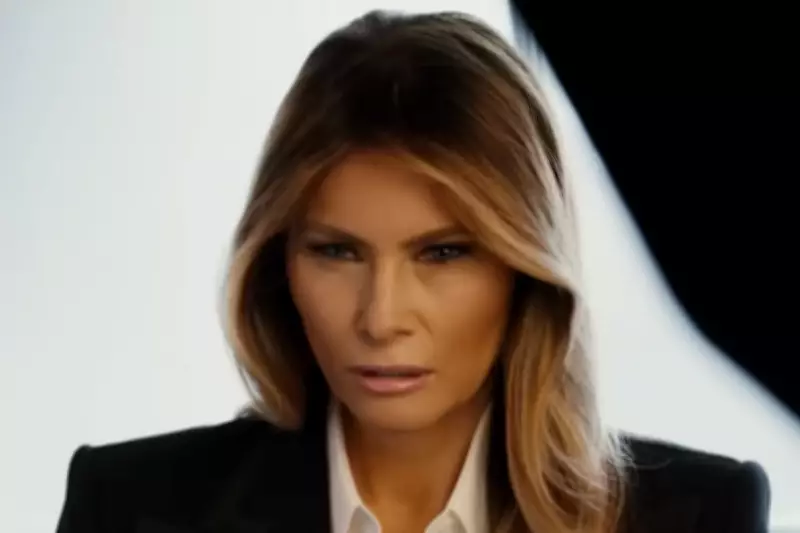
In a significant development for the upcoming documentary about Melania Trump, producer Mark Beckman has disclosed that several high-profile musicians and estates refused to allow their music to be used in the film's soundtrack. This revelation adds to earlier controversies surrounding the project, highlighting the intersection of art and politics in the entertainment industry.
Artists Withdraw Over Licensing and Political Concerns
Beckman confirmed that Guns N' Roses was unable to reach a unanimous agreement within the band to license one of their songs for the documentary. This decision follows previous incidents where Jonny Greenwood and director Paul Thomas Anderson requested their music be removed due to licensing issues, underscoring the complexities of securing rights for such projects.
Prince's Estate and Grace Jones Also Decline
Further refusals came from the estate of Prince and singer Grace Jones. According to reports, Prince's lawyers explicitly stated that the late artist would not want his song associated with Donald Trump, reflecting a clear political stance. Grace Jones similarly blocked the use of her music, though specific reasons were not detailed, suggesting a pattern of artists distancing themselves from the Trump family.

Producer Maintains Film Is Not Political
Despite these setbacks, Beckman insisted that Melania is not a political film and expressed disappointment that political considerations have overshadowed potential artistic collaborations. He emphasised the documentary's focus on Melania Trump's personal story and legacy, rather than partisan agendas, but acknowledged the challenges in navigating the current polarized climate.
Impact on Documentary Production
The refusal of these artists has forced the production team to seek alternative music options, potentially affecting the film's tone and appeal. This situation illustrates broader trends in how celebrities and estates are increasingly cautious about affiliations with politically charged figures, even in non-political contexts.
As the documentary moves forward, these licensing issues may influence its reception and commercial success, raising questions about the balance between artistic expression and political neutrality in media projects.