Heathcliff's Explicit Rejection of Romantic Hero Status
For more than a century, Heathcliff has been consistently portrayed as the ultimate romantic hero across countless adaptations and interpretations of Emily Brontë's seminal work. However, a closer examination of the original text reveals the character himself explicitly rejects this romantic positioning in what amounts to a direct rebuke of modern interpretations.
The Character's Own Words Challenge Romantic Notions
In the fourteenth chapter of Wuthering Heights, Heathcliff responds to housekeeper Nelly Dean's criticism of his treatment toward his wife Isabella Linton with a revealing statement. "She abandoned them under a delusion," Heathcliff sneers, "picturing in me a hero of romance, and expecting unlimited indulgences from my chivalrous devotion." This direct quotation from Brontë's text provides compelling evidence that the character consciously rejects the romantic hero archetype that has been imposed upon him for generations.
Modern Adaptations Versus Original Intent
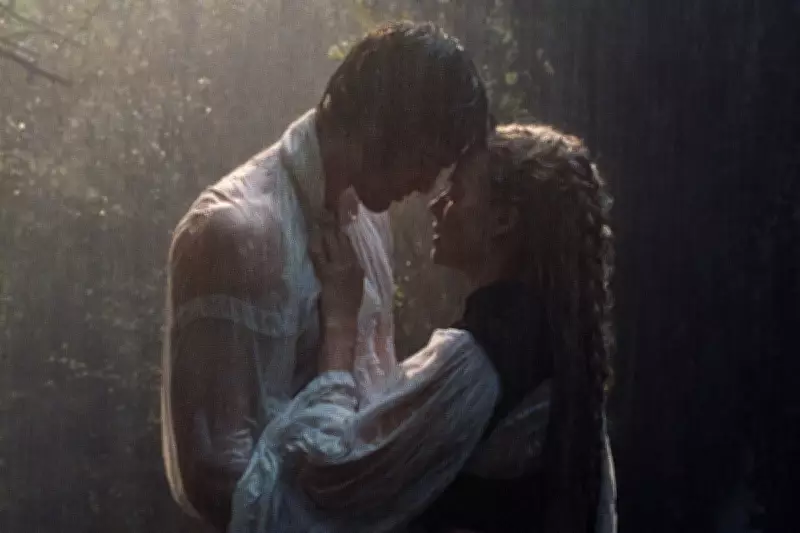
The upcoming film adaptation starring Margot Robbie and Jacob Elordi continues this tradition of romantic interpretation, billing itself as "the greatest love story of all time." This marketing approach aligns with widespread public perception, as confirmed by recent polls of British readers. Yet this interpretation stands in stark contrast to Heathcliff's own self-assessment within the novel's pages.

Heathcliff, the ethnically ambiguous foster child of the Earnshaw family, exists within the windswept Yorkshire moors as a complex figure whose obsessive relationship with foster-sister Catherine consumes surprisingly little actual page space in the novel. Their tortured connection, while memorable, occupies a relatively small portion of the narrative compared to the story's broader scope.
Why Wuthering Heights Fails Romance Novel Criteria
According to established definitions from organizations like the Romance Writers of America, a genuine romance novel requires both a central love plot and an emotionally satisfying, optimistic ending. While nineteenth-century classics like Jane Austen's Pride and Prejudice comfortably meet these criteria, Wuthering Heights fundamentally does not.
Structural Elements That Defy Romance Classification
Catherine's death approximately halfway through the novel represents a significant structural departure from romance conventions. Following her demise, the narrative focus shifts substantially to their children, making it difficult to argue that Heathcliff and Catherine's relationship constitutes the "central" love story in traditional romance terms.
The novel's conclusion offers potential happiness for Catherine's daughter and cousin Hareton, alongside suggestions that Heathcliff and Catherine might wander the moors together as ghosts. While this provides some emotional satisfaction, it hardly constitutes the optimistic resolution required by romance genre standards, particularly considering the extensive destruction their relationship causes throughout the narrative.
The Dark Dynamics of Heathcliff and Catherine's Relationship
Modern conceptions of romance emphasize healthy relationship dynamics, intimacy, and functionality—qualities notably absent from Heathcliff and Catherine's destructive connection. Even the most ardent admirers of their relationship would struggle to characterize it as healthy or functional by contemporary standards.
Romanticism Versus Modern Romance
While Wuthering Heights is undoubtedly Romantic with a capital R—deeply influenced by the literary movement emphasizing intense feeling over logic—it diverges significantly from modern romance expectations. The novel explores what English professor David Shumway identifies as the nineteenth-century tension between companionate marital love and adulterous passion, with Catherine's uneasy affection for husband Edgar standing in pale contrast to her destructive passion for Heathcliff.
Heathcliff's deathbed accusation to Catherine—"You loved me—then what right had you to leave me?"—epitomizes their relationship's fundamentally destructive nature. Their connection breaks hearts and destroys lives, creating compelling narrative tension but failing to meet contemporary romance criteria.

The Enduring Appeal of Destructive Passion
Dark Romance Ancestry
Wuthering Heights serves as a clear ancestor to modern dark romance subgenres that revel in dangerous, intense, and toxic dynamics. While contemporary dark romance typically concludes happily, Brontë's novel maintains its excessive intensity precisely because Heathcliff and Catherine never achieve romantic bliss together.
Their illicit passion, characterized by two mostly amoral individuals bringing destruction to everyone around them, creates the compelling force that has made Wuthering Heights endure across centuries. Whether readers consider their relationship "romantic" in modern terms matters less than recognizing the power of their connection to captivate audiences despite—or perhaps because of—its fundamentally destructive nature.
Heathcliff's own words provide the clearest guidance for interpreting his character and the novel that contains him. His explicit rejection of romantic hero status challenges readers and adaptors alike to reconsider what makes Wuthering Heights compelling beyond simplistic romantic categorization.