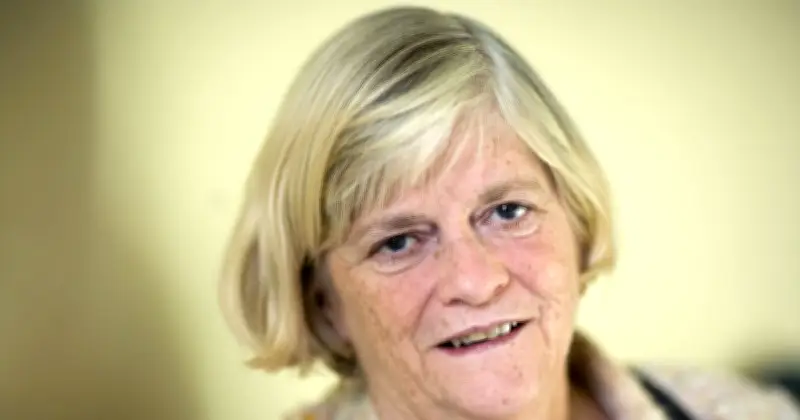
The BBC has come under fire for its coverage of Ann Widdecombe's murder, particularly for inviting environmental activist Daze Aghaji onto the daytime show Politics Live to discuss the late politician's career. Widdecombe, a former Tory MP and Express columnist, was found dead at her bungalow in Haytor, Dartmoor, Devon on July 10. Police later launched a murder investigation, and Counter Terrorism Police have taken over the case after re-arresting a 28-year-old man from Rotherham.
Controversial Comments on Live TV
During the Politics Live segment, Aghaji said: "[Widdecombe] was murdered, especially being 78 as well, I think that's quite a sad way to go out. But I think there is a lot of controversy around how she lived her political life." She went on to criticize Widdecombe's stance on LGBTQ+ rights, her comments about Harvey Weinstein victims, and her anti-abortion views, concluding: "although what has happened is absolutely awful, there are a lot of people who won't be grieving this."
The co-host immediately responded: "To be honest, I'm a bit shocked to hear that, that's completely inappropriate, and I think you will regret what you just said then. A lady has been murdered. I'm very sad to be sitting on a chair here today next to you because I'm quite uncomfortable sitting next to you after what you just said."
Outrage on Social Media
The segment sparked widespread backlash, with journalist Darren Grimes tweeting: "The BBC utterly disgust me." Critics argue the BBC should have anticipated Aghaji's views, given her public profile as an environmental activist. According to the article, producers conduct research on guests before booking them, suggesting they were aware of her opinions on Widdecombe.
Questions of Bias and Timing
The author contends that the BBC's decision to give Aghaji airtime reflects poorly on the corporation's values, especially so soon after Widdecombe's murder. "There is a time and a place for these things," the article states, arguing that the focus should be on catching the killer and celebrating Widdecombe's achievements, rather than debating her political legacy. The piece concludes that the BBC's "supposedly unbiased persona" is showing cracks, and that the corporation should "hang its head in shame" for its handling of the coverage.