Ali Smith's Literary Journey: From Beatles Records to Modern Classics
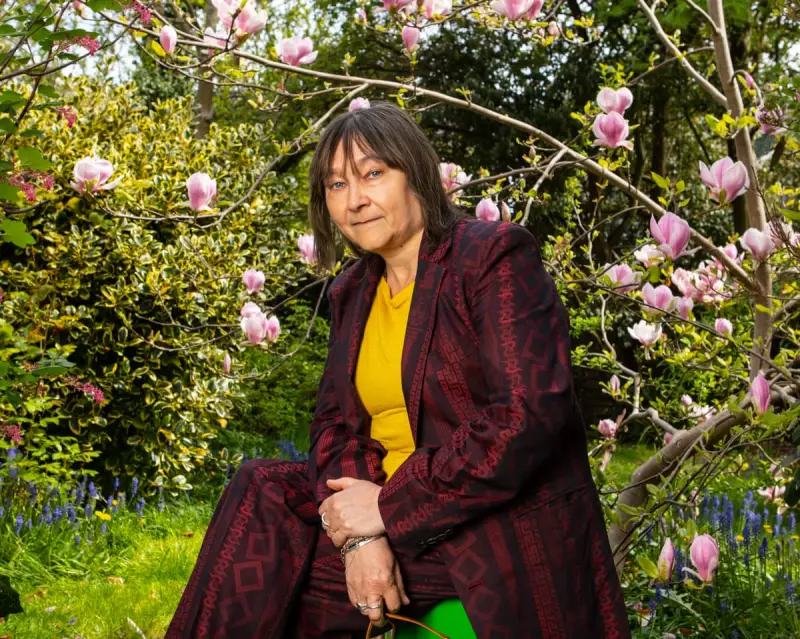
Scottish author Ali Smith has revealed the books and authors that shaped her literary consciousness in a candid exploration of her reading life. From early childhood discoveries to contemporary influences, Smith's journey through literature offers a fascinating glimpse into the mind of one of Britain's most celebrated writers.
Early Beginnings and Formative Encounters
Smith's earliest reading memory involves an unconventional teacher: Beatles records. "Apparently I taught myself to read when I was three via the labels on the Beatles 45s we had," she recalls. "I remember the moment of recognising the words 'I' and 'Feel' and 'Fine'. It took a bit longer to work out the word 'Parlophone'." This musical introduction to language foreshadowed a lifetime immersed in words and storytelling.
Her primary school years in Inverness brought a memorable confrontation with literary authority. Sister Vincent, her discerning primary six teacher, removed Enid Blyton from the class library, believing the books were "written by a factory of writers." The young Smith found herself in passionate disagreement with her teacher when championing E.B. White's Charlotte's Web for class reading. "Sister Vincent put her foot down. 'No. Because animals speak in it, and in reality animals don't speak,'" Smith remembers.

Returning to Charlotte's Web as an adult proved transformative. "I recently reread it for the first time since I was nine, and it moved me to tears," she confesses. "What a fine book, about all sorts of language, injustice, imaginative power and friendship versus life's tough realities. Terrific. Radiant. Humble."
Transformative Discoveries and Literary Inspirations
The teenage Smith experienced a pivotal moment through Liz Lochhead's Memo for Spring. Discovering the slim volume while babysitting for her English teacher, she encountered "a woman who was young, Scottish and a poet (at this point in time a rare combination)." The poems' Scottish English resonated deeply. "I read it twice through that evening then Ann lent me it for a week. It filled me with excitement and hope," she recalls, acknowledging Lochhead as the writer who "changed what was possible – for so many of us."
Smith identifies several authors who continually inspire her writing. "Muriel Spark. Toni Morrison," she states emphatically. "Morrison's oeuvre is a sustained and courageous masterclass in how the aliveness in writing shifts the energy in life, and Spark's Loitering with Intent, like all her books, will never fail to send me on my way rejoicing."
Enduring Favourites and Contemporary Reading
Among her most revisited authors, Simone de Beauvoir holds special significance. "A lot of Simone de Beauvoir's writing came into affordable paperback translation when I was in my very early 20s," Smith explains. "Recently I've loved re-encountering her fiction. I think her novels are outstanding, especially Les Belles Images (1966), a coruscating postwar satire on the performance of happiness." She also maintains a lifelong relationship with Ovid's Metamorphoses, "a book that'll always remind its readers to stay fluid and adaptable regardless of crazed changing times."
Some literary relationships remain complicated. With characteristic humour, Smith addresses her relationship with Charlotte Brontë: "I promise I'll try Charlotte Brontë's Jane Eyre and Villette again, just not right now, OK?"
Later discoveries have brought particular joy. "Vladimir Nabokov. What sheer shining joy," she enthuses. "Fyodor Dostoevsky. Where have I been all the years? Henry James." Her experience reading The Golden Bowl became particularly memorable: "I read The Golden Bowl in the garden one summer not long ago and found myself running down our garden path shouting out loud to my partner: 'Sarah! Sarah! The golden bowl is broken!'"

Current Reading and Comfort Classics
Smith's current reading includes Liadan Ní Chuinn's Every One Still Here. "These stories about Ireland and recent history face up to the truth of lives in a way that very little new writing I've read does," she observes. "In doing this they change and recharge the potential of the short story form. Two have already become some of my favourite stories ever."
For comfort reading, she turns to Tove Jansson's The Summer Book. "A piece of perfection composed of loss, light, clarity and good nature – a book so trim that it fits easily in the pocket of a jacket yet contains much of everything in life that really matters," she describes with evident affection.
Through these literary revelations, Ali Smith demonstrates how reading shapes not just writers but human beings, connecting personal history with cultural heritage in a continuous dialogue between reader and text.