Katie Barclay's The Kiss: A History of Passion and Power offers a rich cultural history of kissing, tracing its evolution from medieval rituals to contemporary controversies. The book examines how this intimate gesture has been shaped by power, politics, and social norms across centuries.
From Erasmus to the English Kiss
In 1499, Dutch theologian Desiderius Erasmus visited England and was astonished by the nation's enthusiasm for kissing. He wrote, 'Wherever you go, you are received on all hands with kisses; when you take leave you are dismissed with kisses.' On the continent, lip-kissing as a greeting had declined, likely due to sexual propriety, but the English persisted, kissing both men and women alike.
The Medieval Kiss of Peace
Barclay, a professor at Macquarie University, Sydney, begins in medieval Europe with the osculum pacis, or kiss of peace. This lip-to-lip kiss between powerful men marked the conclusion of legal or diplomatic negotiations. It was based on medical beliefs that the breath carried the spirit, causing souls to mingle and equalise. Vassals and lords also kissed in fealty rituals, and worshippers in church. As the wealthy grew uncomfortable kissing servants, churches introduced the pax, a ritual object to kiss instead.

Foot Kisses and Humiliation
Not all symbolic kisses were egalitarian. The foot kiss could venerate or degrade. In 911, Viking leader Rollo was required to kneel and kiss the Frankish king's foot as part of a peace treaty. The appalled warrior refused and offered a proxy, who reportedly grabbed the king's foot so violently he tipped him backward.
Shifting Social Norms
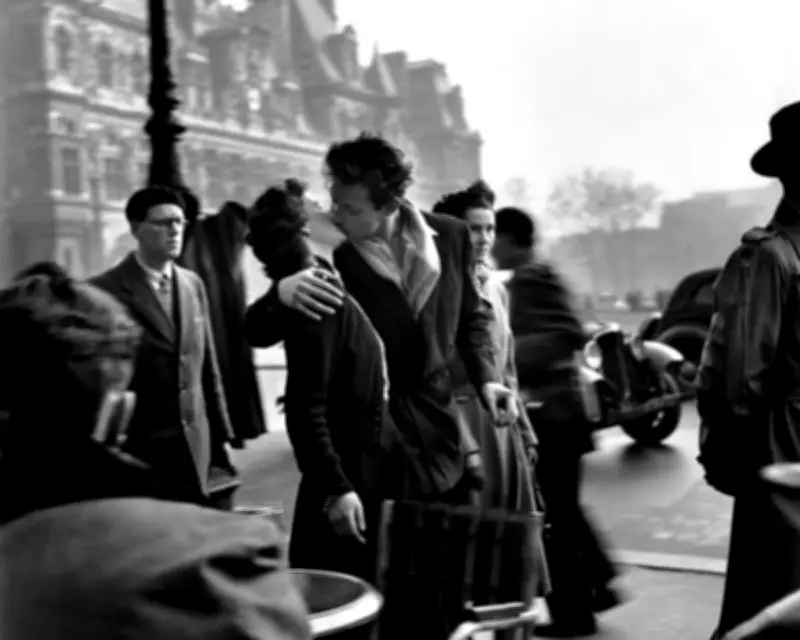
By the 18th century, the day-to-day kisses Erasmus witnessed had disappeared from English social life. Men shook hands, though many women were still expected to kiss. Close male friends continued to greet with a lip kiss, reflecting an era of highly affectionate male friendships. By the end of the 19th century, lip-kissing became almost exclusively associated with romantic love and sex.
Public Kisses and Controversies
Kissing did not vanish from public life. In 1908, a diphtheria outbreak led the London County Council to ban kissing games in schools. In the 1920s, parenting advice debated whether to kiss children; American behaviourist John Watson warned in 1928 of 'dangers lurking in the mother's kiss' leading to 'coddling.' By 1930, health-conscious mothers embroidered 'do not kiss me' on infants' bibs.
Sexual Anxieties and Censorship
Anxieties about sex kept kissing on the agenda. In 1934, the Hays Code banned 'excessive and lustful' kisses, as well as interracial and same-sex ones. In the 1970s, gay civil rights activists held 'kiss-ins' to reclaim queer love and tenderness. During the Aids epidemic, misinformation about transmission heightened the radical potential of a kiss.
Consent and Power Today
Today, public debate centres on consent. In 2023, Luis Rubiales, former Spanish football federation president, sparked outrage by kissing captain Jenni Hermoso on the lips after Spain's World Cup victory; he was found guilty of sexual assault. Barclay's book reminds us that even spontaneous kisses are shot through with power and politics.
The Kiss is richly illustrated with fascinating examples. Tiffany Watt Smith, a cultural historian, notes that the book's central point is persuasive: 'when we kiss, we kiss with the weight of history.' The book is published by Reaktion at £20.