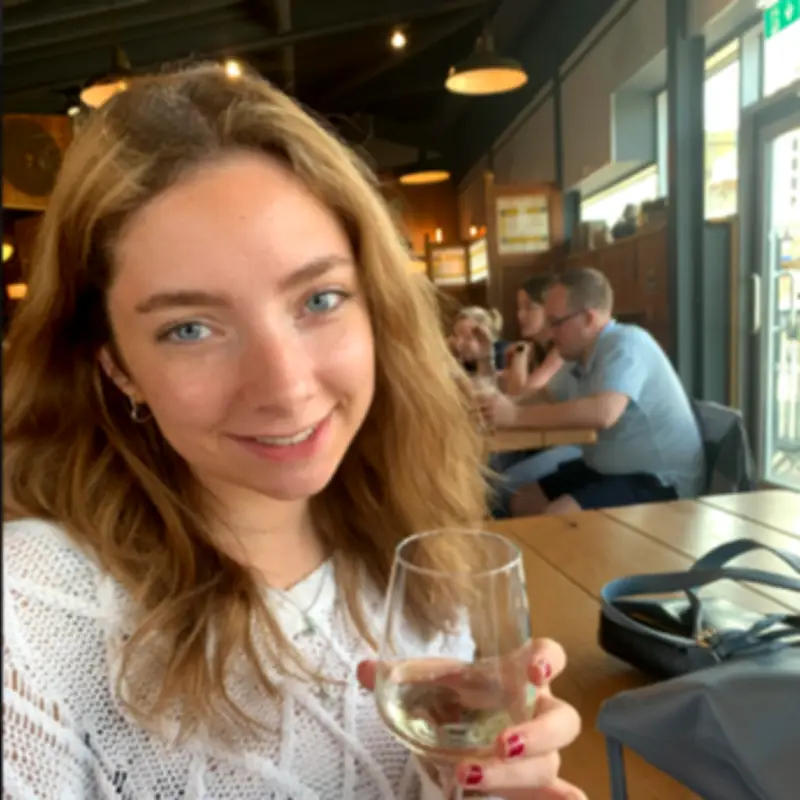
A university student who dismissed her headaches as exam stress was later diagnosed with a brain tumour. Her family is now raising funds for treatments not available on the NHS.
From Headaches to Diagnosis
Annelise Donelon, 20, known as Annie, visited her GP multiple times. Initially, doctors attributed her symptoms to a B12 deficiency. However, medications and injections provided no relief. The chemical engineering student at Newcastle University described the pain as feeling 'like a bandsaw' cutting down one side of her face.
A CT scan eventually revealed a 5cm high-grade brain tumour located in one of the fluid-filled cavities in her brain. The pressure from the tumour was causing her severe headaches.

Surgery and Treatment
Annie underwent an 11-hour craniotomy at Salford Royal Hospital on October 22 to remove most of the tumour. This was followed by six weeks of radiotherapy, during which she lost all her hair.
Her mother, Lisa Donelon, 49, from near Bury, who also has 14-year-old twin daughters, said: 'She was very tired all the time, and got the B12 injection, but she didn't feel any different. Then we thought it might be hormones, migraines or stress due to her exam period. After the CT scan, I got the call that they had found a lesion – I can't even describe what that feels like.'
Lisa added: 'Annie just wants her life back, she wants to go back to university – so we're always looking for the next trial or treatment. There are just no words for what's happening, you just feel numb – and then you feel angry, then you feel sad.'
Ongoing Challenges
Annie first experienced tiredness and headaches in late 2024. The symptoms worsened in October 2025, despite trying various migraine medications and hormone treatments. A second visit to A&E led to the diagnosis.
Lisa explained: 'She knew in herself that something wasn't right. She was in a lot of pain from headaches caused by pressure. There was a large tumour in one ventricle, which was blocking the flow of cerebrospinal fluid and causing the pressure to build.'
Follow-up scans have not confirmed whether the tumour has been eradicated. The family is now exploring clinical trials and private international treatments not available on the NHS, hoping to help Annie return to university.
Fundraising for Treatment
Annie has undergone molecular profiling at a private clinic in London and visited a hospital in Paris for targeted molecular therapy. She is scheduled to begin immunotherapy treatment in Germany, which aims to create a personalised vaccine for her cancer. This treatment is still in trials and not available on the NHS.
The family is fundraising £100,000 for the immunotherapy. Lisa said: 'We can't just be sitting around – we need to be doing something. Even though to look at her, you wouldn't know there was anything wrong, we know how serious it is.'
Future Plans
Once recovered, Annie plans to switch her degree to biochemistry to pursue a career in clinical science, focusing on future treatments for conditions like hers.
Lisa said: 'It's Annie's biggest dream to go back to studying in Newcastle in September – to be with her friends and do the part-time job at St. James Park that she loves. She's decided to change to study Biochemistry, which we and the university fully support. This will give her access to careers within Genomic Medicine so that she can make a difference to the much-needed research in this area and can help people like herself get the treatment they deserve.'
Expert Comment
Dr Simon Newman, Chief Scientific Officer at The Brain Tumour Charity, said: 'People like Annie deserve access to safe, effective treatments without the burden of searching online for worldwide options. As our recent report about unlocking innovation highlighted, we urgently need more promising treatments to go through clinical trials here in the UK, so families can access rigorously tested therapies closer to home, and be part of research.'