A major new exhibition at the British Museum, opening in February, seeks to challenge long-held myths about Japan's samurai, presenting a more nuanced picture that includes women warriors and artistic pursuits. Titled 'Samurai', the show spans a millennium of history, from the 10th century to the modern era, and features over 280 objects, many never before seen in the UK.
Lead curator Rosina Buckland said the exhibition is the first to tackle the myths surrounding the samurai, which have been shaped by film, anime and video games. 'What I want to address is the way that perception of the samurai has become narrowed down to just this male warrior in armour wielding a sword,' she said. 'That's a tiny part of what they were over hundreds of years.'
The exhibition highlights the role of samurai women, who were educated, governed and even fought. 'This rediscovery of female samurai history reframes centuries of gendered myth and challenges the hyper-masculine image of the samurai that still dominates film, anime and gaming,' Buckland added.

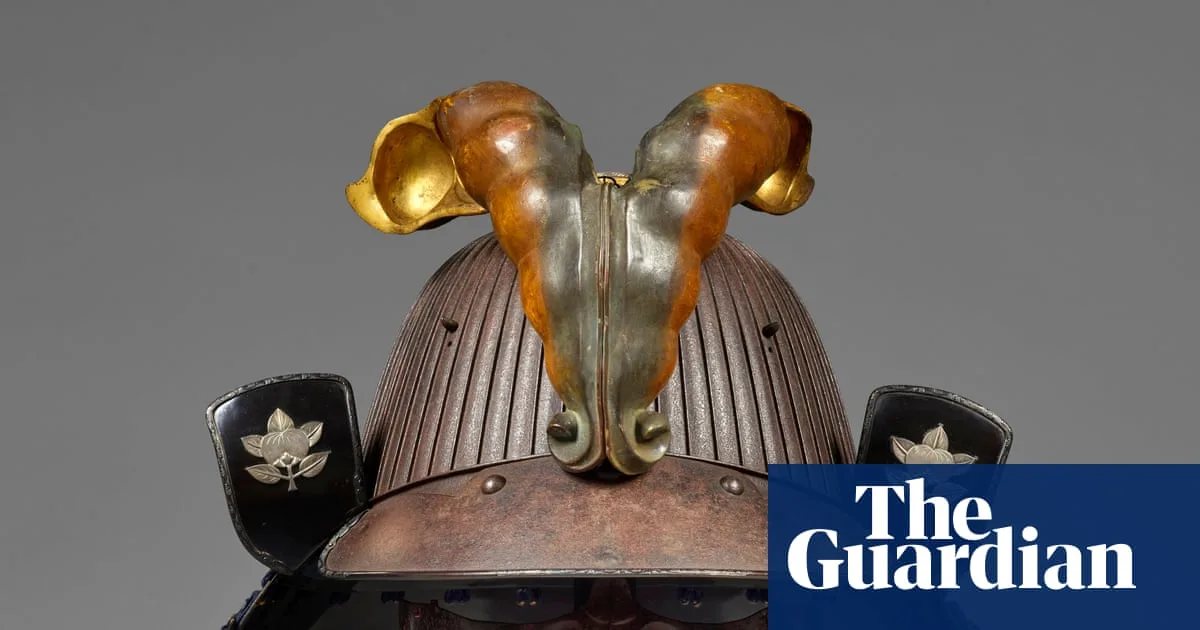
Objects on display include a spectacular suit of armour recently acquired by the museum, with a helmet and golden standard shaped like iris leaves. The exhibition also features paintings, woodblock prints, books, clothing and ceramics, reflecting the samurai's role as patrons of the arts during long periods of peace.
The samurai emerged in the 900s as mercenaries, gained political dominance from the 1100s, and later became government officials and scholars. Their hereditary status was abolished in the late 19th century as Japan modernised. The exhibition draws on the British Museum's own collection, one of the largest outside Japan.