In a spectacular display of fireworks over Martyr's Square, the National Museum of Libya officially reopened its doors in Tripoli, marking a symbolic moment of hope after being shut for nearly 14 years due to civil conflict.
A Lavish Ceremony for a Historic Reopening
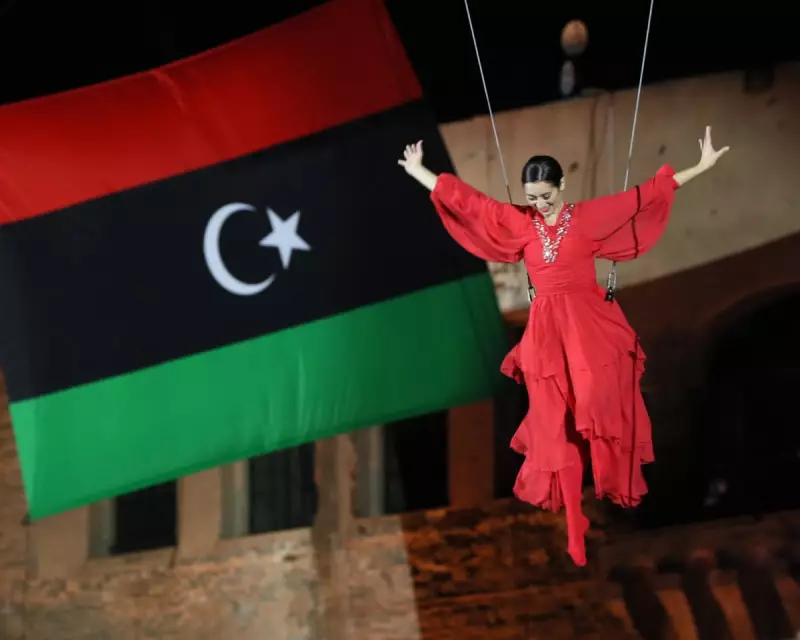
The reopening ceremony was a grand affair, designed to compress Libya's rich history into a single night. Instead of the sound of militia clashes that have plagued the capital, the air was filled with the staccato of celebratory firecrackers. The event, held at the historic Red Castle complex, featured a full-size Italian orchestra, acrobats, dancers, and dramatic projections onto the ancient fort walls.
The climax saw a billowing Ottoman sailing ship suspended on wires above the port, greeted by a performer representing an angelic Libyan woman. Prime Minister Abdul Hamid Dbeibah, head of the UN-recognised Government of National Unity, then performed a symbolic act, wielding a large stick to hammer on the museum's giant wooden doors and demand entry, in a ritual reminiscent of the State Opening of Parliament in Britain.

A Treasure Trove of History, Hidden from War
Inside the museum lies Africa's greatest collection of classical antiquities, a testament to Libya's position at the crossroads of Mediterranean civilisations. The collection, spread over four floors, includes prehistoric cave paintings, 5,000-year-old mummies from the Uan Muhuggiag settlement, Punic tablets, and countless treasures from the Roman cities of Leptis Magna and Sabratha.
Dr Mustafa Turjman, the former head of the department of antiquities, revealed that the artefacts were evacuated to secret hideaways during the conflict to protect them from looters and smugglers. He admitted there was hesitation about bringing them back for public display. Notably absent is one of the museum's few losses from the uprising: Muammar Gaddafi's turquoise Volkswagen Beetle, once given pride of place.
A Unifying Force for a Divided Country?
For Dr Turjman and the museum's supporters, this reopening is about more than archaeology. In a country fractured between rival governments in the east and west, the museum is pitched as a force for national unification. "This is a museum about the whole of Libya," Turjman emphasised, explaining that it displays masterpieces from all regions, allowing Libyans to see their shared heritage.
The first weeks of opening are dedicated to schoolchildren, with Turjman hoping the museum will counter the distorted teaching of the Gaddafi era and educate a new generation. "We have to build the minds," he said, highlighting the need to teach respect for history and others.
Optimism Meets a Harsh Reality
Despite the celebratory mood, the government's hope to make the world see Libya "through optimist's eyes" faces steep challenges. On the very night of the museum's opening, notorious people smuggler Ahmed al-Dabbashi was reported killed in a gunfight with security forces in Sabratha.
Prime Minister Dbeibah is frank about the country's problems. He admitted that roughly 2.5 million Libyans – about a third of the population – are on the government payroll, a symptom of a failing, oil-dependent economy. He also faces internal strife, with three of his ministers arrested in a corruption investigation.
Political reconciliation remains elusive. Dbeibah, who was appointed in 2021 and was meant to serve only until elections, now opposes a vote until a new constitution is ratified. This leaves Libya in a stalemate, with eastern and western political elites setting endless preconditions.
One of the first visitors, Egyptian comedian Bassem Youssef, reflected on Libya's damaged international image. He noted that Arab countries seem to make news only when something is wrong, lamenting that "the lens which transmits the image of most of our Arab countries is broken, cracked and distorted."
The reopening of the National Museum is a powerful gesture of resilience. Yet, as the fireworks fade, Libya's deeper journey towards lasting peace, unity, and a stable future is far from over.