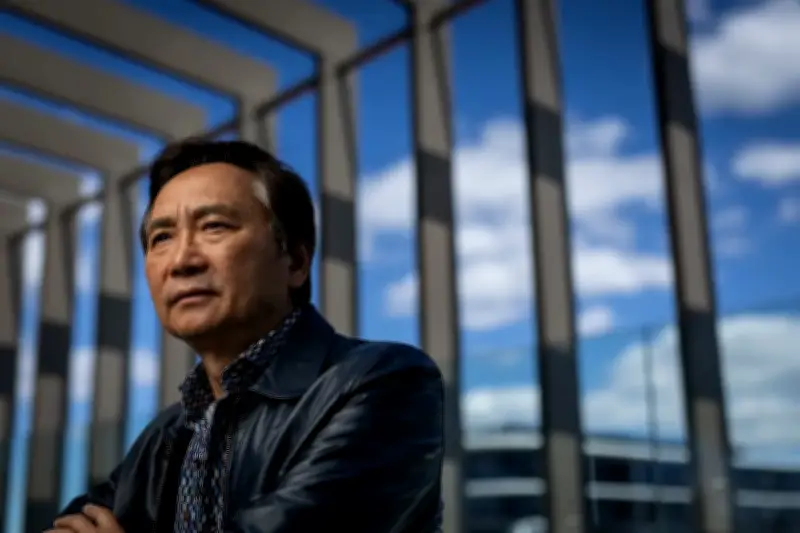
Li Cunxin, the renowned ballet dancer and former artistic director of Queensland Ballet, has published his second memoir, The Lucky Son, a sequel to his internationally successful 2003 autobiography, Mao's Last Dancer. The book picks up exactly where his first memoir ended, as Cunxin and his wife, ballet dancer Mary McKendry, flew to their new lives at Houston Ballet under director Ben Stevenson.
Cunxin had signed a contract with Penguin Random House for a follow-up, initially planning to write about the lives of his brothers and friends in China and the country's changes over time. However, his appointment at Queensland Ballet delayed the project. "I don't think they were expecting [the sequel] to take 14 years!" he says.
Family sacrifices and a daughter's journey
Central to the memoir is the story of his daughter Sophie, who was born profoundly deaf. Mary, a deeply respected dancer, left the ballet world to teach Sophie to talk, returning years later as ballet mistress at Queensland Ballet. "Mary was incredible," Cunxin recalls. "She gave everything to the task." Sophie was fitted with a bionic ear (then known as a cochlear implant), embraced dance, and excelled in education and the workplace.
But in 2015, Sophie sent her parents an email that shocked them, expressing frustration that they had not met her halfway by learning sign language. Cunxin writes that her "deafness was her birthright." Now, he says, Sophie "is a kind of ambassador between the hearing and deaf communities," and he and Mary have begun learning Auslan.
From stockbroker to artistic director
After an unsuccessful bid for the artistic directorship of Australian Ballet, Cunxin spent years away from professional ballet, working at a stockbroking firm. He later became artistic director of Queensland Ballet, where he oversaw a massive improvement in standards and built the Thomas Dixon Centre as the company's new home. "To be a leader of any kind takes vision," he says. "I had a very strong vision for Queensland Ballet." His business experience helped him approach donors, and he and Mary also contributed their own money.
The memoir also revisits characters from Mao's Last Dancer, including his best friend The Bandit, his instructor Teacher Xiao, and his parents Niang and Dia. Cunxin reflects on his life with a sense of "gratitude, for the opportunities I was given and the people and artists who shaped me." The Lucky Son concludes on stage in Switzerland, where he was awarded the Prix de Lausanne in 2025.
After recent health issues—Mary is a cancer survivor and Cunxin has a major heart condition—the couple are slowing down. "Our health has forced us to slow down," he says. On ballet's future amid AI, he says, "I am worried, but I do think ballet is special... I think it's more important than ever to connect people." The Lucky Son by Li Cunxin is out now (Penguin, $36.99).