Andreas Gursky, the German photographer known for his vast, digitally stitched panoramas, has a new exhibition at White Cube Mason's Yard in London. The show includes 16 pieces, some of which were created just months ago after Gursky attempted to postpone the exhibition. Gallerist Jay Jopling refused, telling him, 'No way, no deal – I’ve given you the best date in the whole year.'
Gursky's career took off in the 1990s when he switched from black-and-white landscapes to epic colour panoramas capturing stock exchanges, factories, Amazon warehouses, and crowds at events like a Madonna concert. His 1999 photograph Rhein II sold for $4.3 million in 2011, making it the most expensive photograph ever sold at the time. He now produces about three works per year, each taking months or years to complete by combining multiple images into a single, impossible scene.
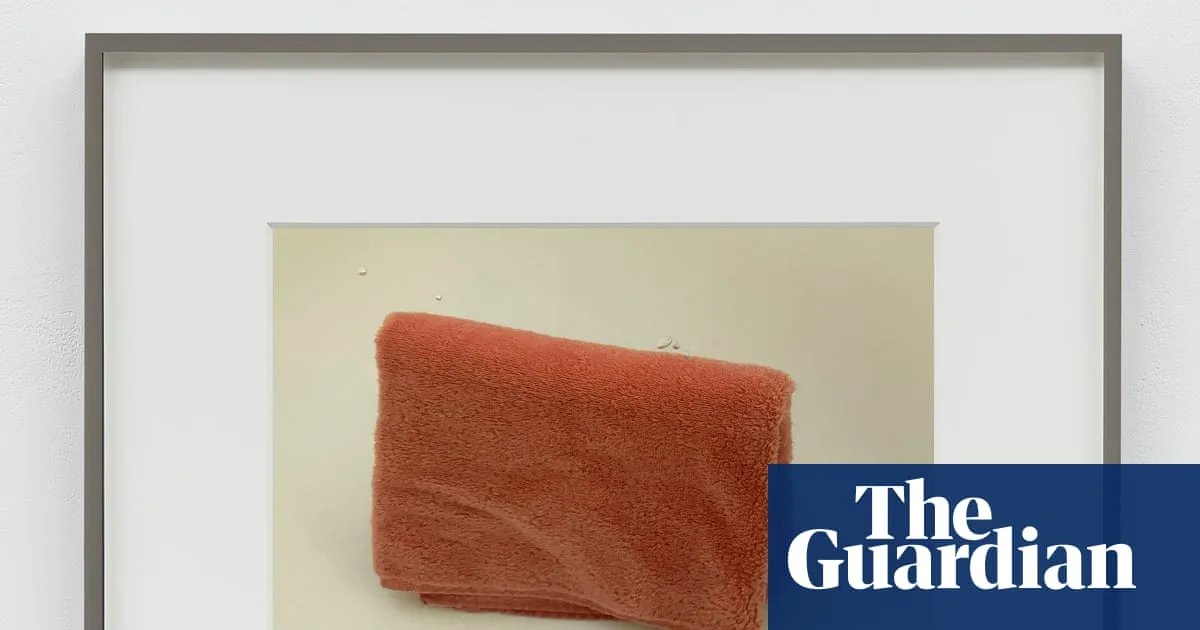
The exhibition reveals a more intimate side of Gursky, featuring early works like Gas Cooker (1980) and recent iPhone pictures, including a playful diptych of his wife playing Jenga with a box on her head. One new image shows a folded towel that fell into a bathtub, which Gursky describes as 'magical realism.' Another is a remake of a 1993 work depicting a Paris apartment building with 1,122 windows, now composed of several photographs.

Gursky's works are known for their immense scale—'You can’t get bigger technically,' he says—and their meticulous construction. Despite the complexity, he finds joy in the simplicity of the iPhone, capturing spontaneous moments that contrast with his earlier, distant observations of mass-scale scenes.