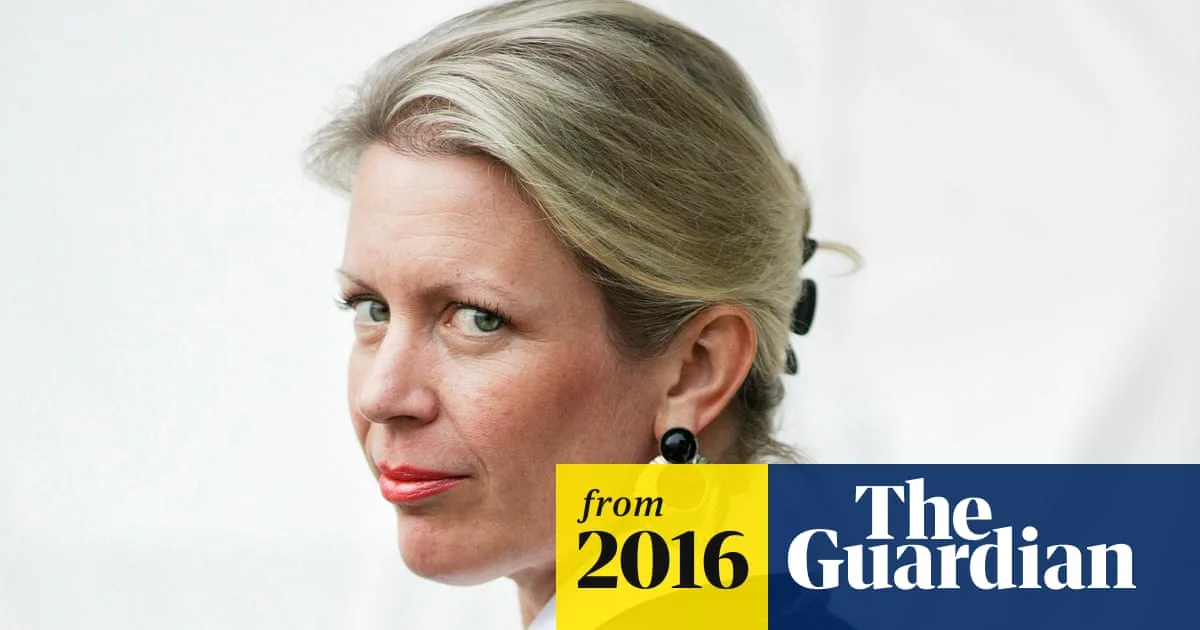
Frieda Hughes, the daughter of poets Ted Hughes and Sylvia Plath, has spoken about her struggle to establish her own artistic identity apart from her famous parents. Now 56, she recalls hiding her poetry from her father for decades, fearing that reading his work or her mother’s would ‘contaminate’ her own voice. ‘I had a fear of similarity,’ she says. ‘I wanted to be judged on my own merits.’
Hughes, who was almost three when her mother gassed herself in 1963, began writing poetry secretly at 24, storing it in a shoebox. She did not show her father any poems until she was 34, when she asked him to sort a stack into ‘good, bad and indifferent’. He complied impartially, she says, but she continued revising even the poems he liked. She also avoided reading her parents’ poetry until her mid-30s, after finishing her first collection.
Her father, the late Poet Laureate, never spoke ill of Plath, presenting her as ‘angelic’. Reading others’ accounts of her mother was a shock, Hughes admits. She now admires Plath’s work, especially ‘Ariel’, and feels her parents were ‘stolen’ by public fascination. ‘We only have one life,’ she reflects. ‘If we live an awful lot of it not doing something that would make us very happy … it’s pretty sad if we don’t do it, just because we might get our heads kicked in.’

Hughes, who also paints large oil canvases and keeps nine owls at her Welsh farmhouse, says she never sits down to write thinking of her parents’ talent. ‘If that thought even crossed my mind, it would paralyse me.’ She now feels free to pursue both poetry and painting, having overcome the fear of being judged alongside her literary legacy.