When a New Zealander moved to London two years ago, they did not anticipate any language barrier. Yet everyday items still differ considerably from British terminology, and even two years on, the writer frequently pauses before speaking to switch to the British equivalent.
Kūmara and capsicum
One key ingredient in a recent salad recipe is what people in the UK call "sweet potato". The writer grew up calling these "kūmara" (koo-mah-rah), a word that originates from the Māori language, spoken by the indigenous people of New Zealand and frequently used by pakeha (white people).
Another grocery item that causes confusion is what Brits call "peppers". To the writer, these have always been "capsicum". Australia is equally inclined to use the word "capsicum". In these parts of the world, "pepper" almost always refers to black pepper, while spicy varieties are called chilli.
Iceblocks and lollies
Despite the increasingly chilly weather, the writer still harbours a fondness for what they call "iceblocks" - or what Brits would refer to as an "ice lolly". In New Zealand, an iceblock can be fruit, chocolate or cream-based, but if it is on a stick, it is an iceblock.
To add to the confusion, all sweets are referred to as "lollies". In New Zealand, the word sweet simply is not used in relation to food. Instead, "yeah, sweet as" is a common expression of agreement.
The dairy and op-shop
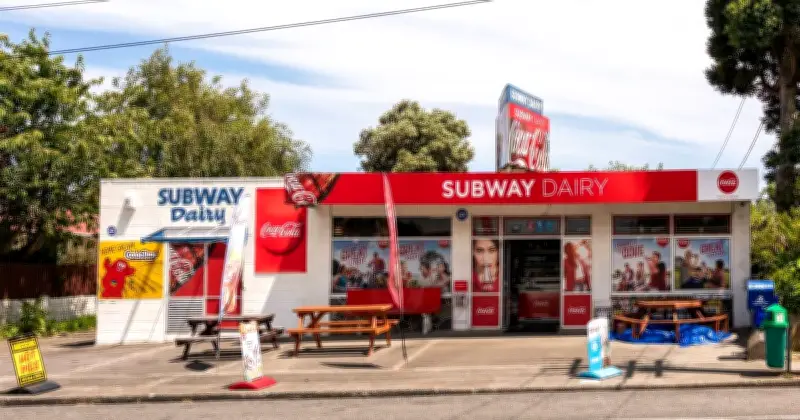
"The dairy" is New Zealand's equivalent of a corner shop. It stocks milk, naturally, but also groceries, lottery tickets, cigarettes and, depending on the region, alcohol.
The expression "op-shop" originated in Australia during the 1920s, yet it is commonplace throughout New Zealand. What Brits would recognise as a "charity shop", Kiwis and Australians refer to as an "op-shop". The term was coined by Australian actress and philanthropist Millie Talls. Initially dubbed an "opportunity shop", Millie aimed to eliminate the stigma surrounding charity shops, offering everyone a chance to find more affordable clothing.