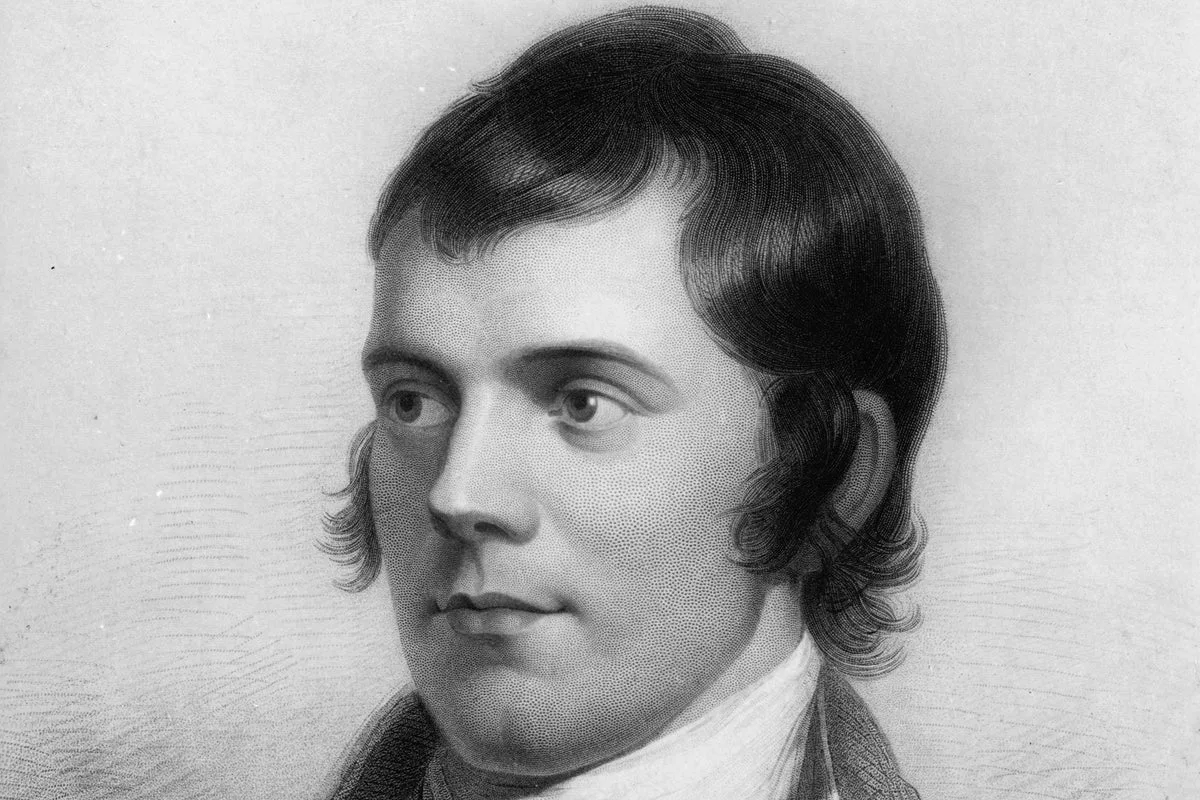
Robert Burns, Scotland's national bard, remains internationally synonymous with Scottish identity. Since his death in 1796, his works—including 'Address to a Haggis', 'Scots Wha Hae', and the globally sung 'Auld Lang Syne'—have cemented his status. Each year on 25 January, Burns Night is celebrated with traditional food and poetry recitations.
This Burns Night, attention is drawn to a lesser-known poem from 1790, 'Lament of Mary, Queen of Scots, on the Approach of Spring'. Mary, Queen of Scots, executed in 1587 for plotting against Elizabeth I, is a figure whose legacy has been fiercely contested. In the 18th century, philosophers like David Hume labelled her 'a whore' and a murderer, echoing contemporary political smears.
Burns' sympathetic portrayal of Mary as 'amiable but unfortunate' contrasts sharply with such attacks. His lament, written in her voice as she awaits execution, depicts her as a tragic figure. Burns' sympathy was likely influenced by his friend William Tytler's defence of Mary, as well as his own Jacobite sympathies and the romantic literary tradition of the time.

Burns' poem may also have been influenced by Anne Hunter's earlier 'Lamentation of Mary Stuart, Queen of Scots', which shares similarities in perspective and imagery. However, Hunter's contribution has been largely forgotten due to anonymous publication. Burns' work inspired later poets, including William Wordsworth, who wrote three poems about Mary in the early 1800s.
Through his lament, Burns played a significant role in shaping Mary's legacy as a tragic romantic figure, cementing her status in Scottish cultural memory.