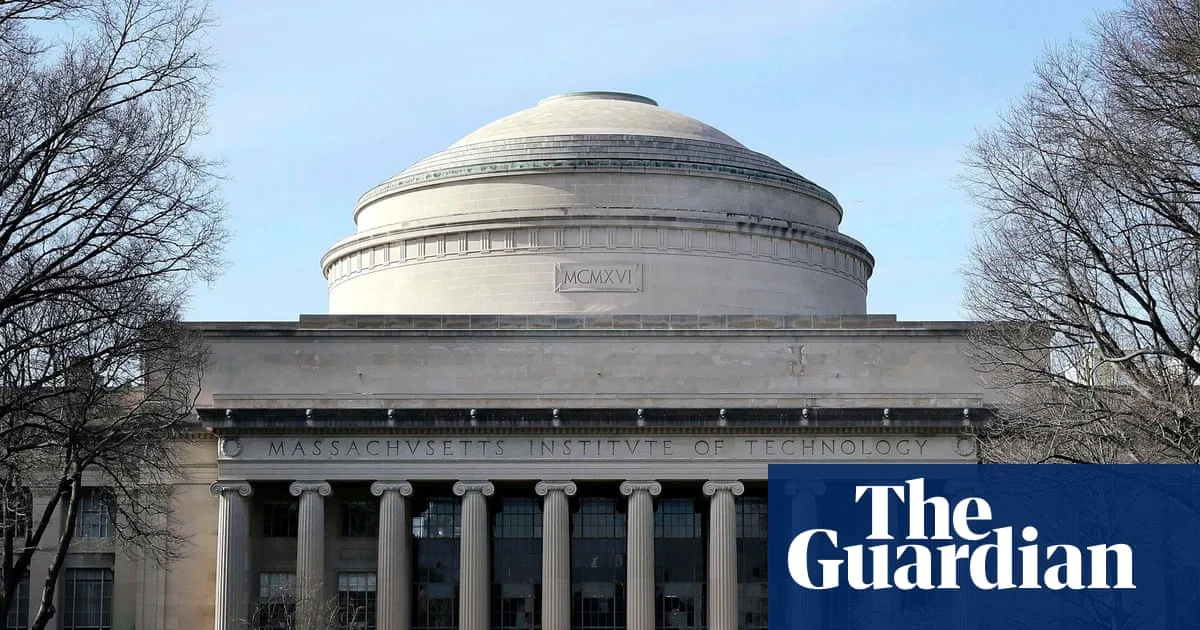
The Trump administration has presented nine leading US universities with a proposal offering increased federal funding in exchange for adopting policies that promote conservative ideas and restrict certain academic practices. The 'Compact for Academic Excellence in Higher Education' was sent from the White House on Wednesday and includes a 10-point list of conditions.
Among the requirements are enhancing the profile of conservative perspectives, banning race or sex as factors in admissions and hiring, freezing tuition fees for five years, and capping international undergraduates at 15% of the student body. Universities that sign the compact would receive 'substantial and meaningful federal grants' according to the document.
The universities selected—including Brown, MIT, and the University of Pennsylvania—were chosen because they are considered 'good actors,' according to White House adviser May Mailman. However, the offer has sparked fears over free speech, with critics arguing that the administration is using federal funding to exert control over academic institutions.

California Governor Gavin Newsom threatened to withdraw state funding from any university that signs the agreement, stating that the state 'will not bankroll schools that sell out their students, professors, researchers and surrender academic freedom.' Ted Mitchell of the American Council on Education called the implications for free speech 'horrifying,' questioning whether the federal government should be involved in deciding the intellectual environment of universities.
Harvard is the only institution among the nine that has sued the administration, while others like Columbia have agreed to settlements in earlier controversies. The compact implicitly warns that all federally funded institutions must comply or risk losing funding streams entirely.