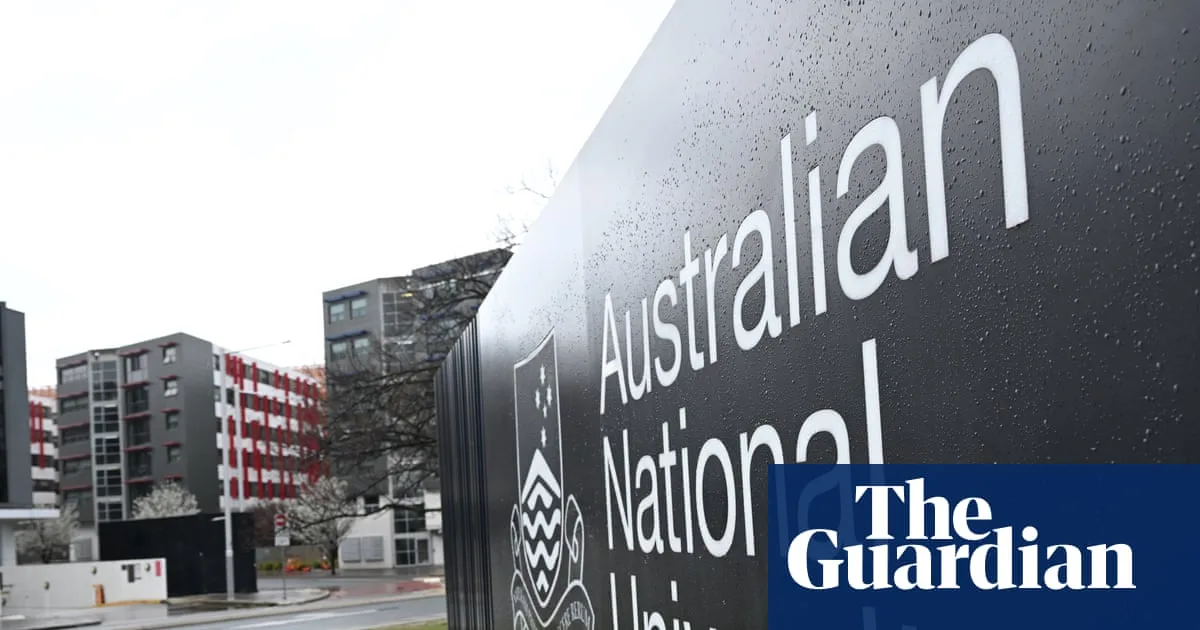
The Australian National University (ANU) is facing a deepening governance crisis following the resignation of Vice-Chancellor Genevieve Bell, announced on Thursday. Chancellor Julie Bishop resisted calls to resign during a staff town hall, but failed to quell concerns over a drastic restructure, job losses, declining rankings, and allegations of a toxic work culture.
Bell's departure, anticipated for over a week, leaves many questions unanswered. Staff remain uncertain about the fate of approximately 100 jobs and eight proposed changes. Over the past year, a major restructure has led to at least 399 redundancies and the proposed closure of several centres, including the Australian National Dictionary Centre and the ANU School of Music.
The restructure has placed ANU at the centre of a governance crisis, with the National Tertiary Education Union, students, regulators, and politicians raising alarms over an alleged culture of fear. Dr Liz Allen, a prominent academic, told a Senate inquiry she was 'bullied into near suicide' while serving on the university council and suffered a miscarriage after distressing meetings with Bishop. Bishop rejected the allegations, calling Allen's testimony 'ventilation' that compromised other witnesses.
Bell, who will return to ANU's school of cybernetics as a distinguished professor after study leave, said being vice-chancellor was 'an extraordinary privilege and also a heavy responsibility'. She acknowledged the university's financial challenges, including operating deficits of over $400 million between 2020 and 2023, and a decline in QS rankings from 19th in 2016 to 34th in 2024.
Bell's leadership style differed from her predecessor, Brian Schmidt, who had noted ANU's 'several tough years'. Bell implemented major reforms, including the 'Renew ANU' plan announced last October, which aimed to reduce operating costs by $250 million. Staff anxiety grew after Bell requested employees forgo a 2.5% pay rise, a move overwhelmingly rejected. The Nixon report in May further highlighted a 'toxic' culture within the former college of health and medicine, alleging bullying, harassment, and discrimination.