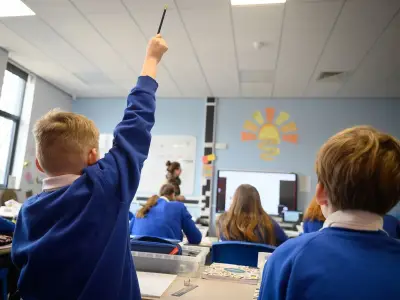
Thousands of students across the country are receiving their GCSE results today, August 20, after months of studying and revision. The exams took place before the summer, and students have long awaited this day in the education calendar.
Results are typically available to collect from schools starting around 8am, but this can depend on each individual school. Schools will issue their own instructions on how and when to collect results.
Grade Boundaries and What They Mean
The majority of students taking GCSEs in England will receive grades from 9 to 1, with 9 being the highest grade. Grade 4 is equivalent to a C, with Grade 9 equivalent to an A*. The GCSE performances of schools are judged partly on the number of pupils achieving Grade 5 or above, which is considered a "strong" pass.
Grade boundaries are decided after GCSE exams are marked and are used on results day. They are not fixed from one year to the next, with exam boards deciding where they should fall once marking is almost complete. A grade boundary is simply the minimum number of marks needed to achieve a particular grade. If an exam is easier than in previous years, the grade boundaries for that paper will be higher. If it is harder, the grade boundaries will be lower.
Grade boundaries are set with the aim of maintaining standards over time, not to ensure that the same proportion of students get a particular grade.
Next Steps for Students
The results can influence a student's future career path and next steps. Grades can determine whether a student can progress to A-levels, further education, or apprenticeships, and may even impact future university applications and career options.
If you are unable to collect your results in person because you are on holiday, or for any other reason, such as illness or being unable to travel to school, you can usually arrange in advance for your school to send your results to you via e-mail or post.