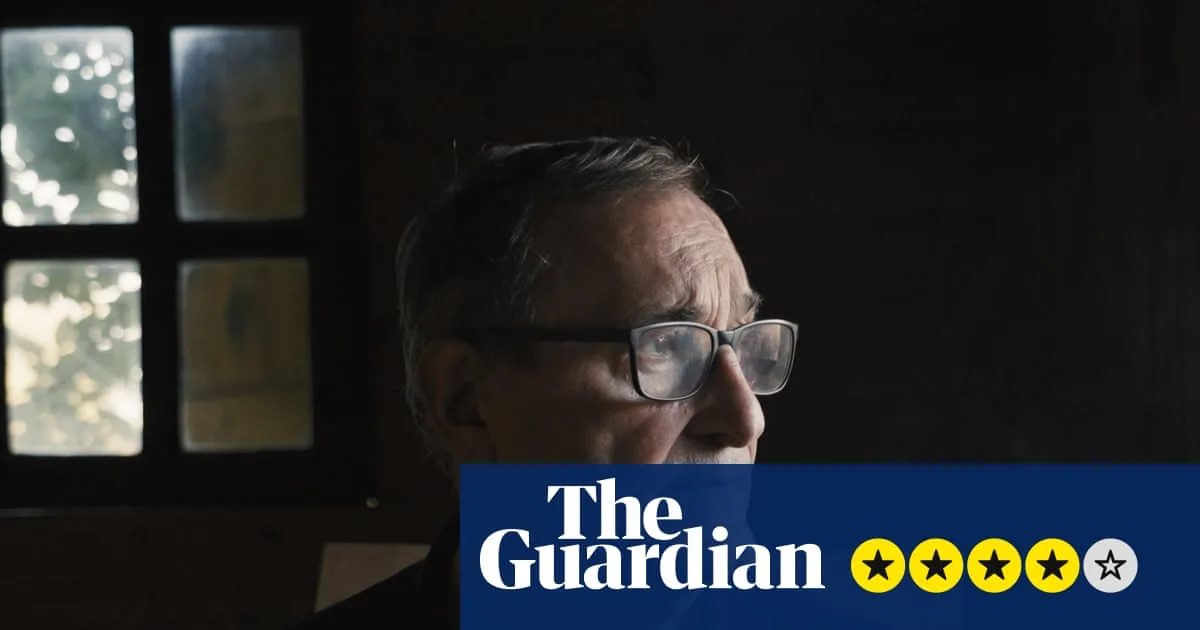
A new French documentary, The Lost Boys of Mercury, examines the lasting trauma inflicted on boys at a church-run correctional school. Directed by Clémence Davigo, the film focuses on three former wards of the Belle Étoile school in Mercury, Savoie, who recount systematic abuse by Abbot Garin and his associates.
André, Michel and Daniel, now in their 60s and 70s, describe beatings that caused permanent damage, sleep deprivation, cold-water baths, starvation, and nocturnal molestation. The emotional scars are evident: Michel weeps recalling humiliations; André became a career criminal after being deprived of education; Daniel, sexually abused, says he was left unable to express love.
The documentary explores whether healing and restitution are possible. André and Michel disagree on institutional culpability: Michel blames only individual abusers, while André holds the Church responsible. Meetings with diocese counsellors suggest the Church is sorry, but Archbishop Philippe Ballot appears hesitant to commit to concrete actions.
Davigo allows metaphors to emerge naturally, such as Daniel climbing a mountain like a dragonfly shedding its skin. Rather than a systematic inquiry, the film intimately participates in the healing process by giving survivors a platform to tell their truths.