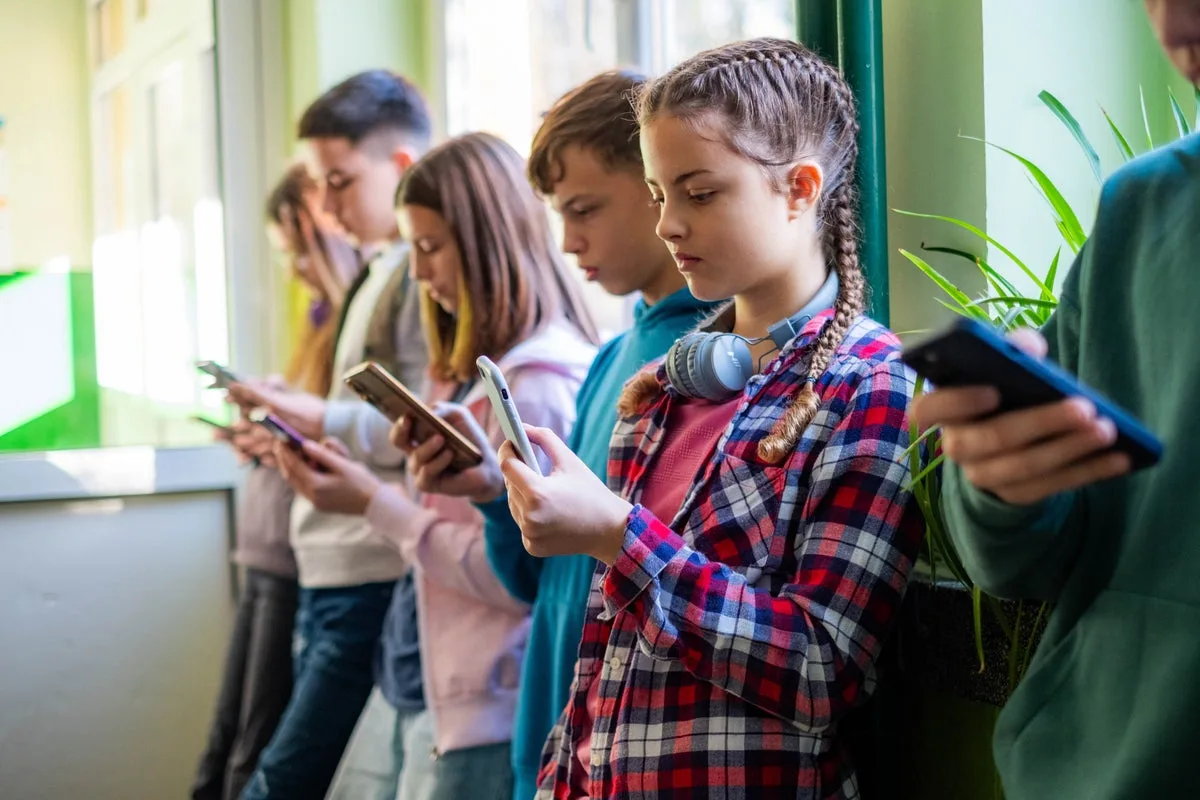
The debate over banning social media for children has become the latest flashpoint in Britain's school gate culture wars, pitting parents against each other in increasingly bitter disputes. Driven by concerns over Gen Z's mental health and screen addiction, parent-led movements like Smartphone Free Childhood and FlippGen have gained traction, but their approaches differ sharply.
One camp, including figures like Will Orr-Ewing, advocates for a total ban on social media for under-16s and a blanket ban on phones in schools, calling teen phone addiction a 'public health crisis'. Others, such as youth-led FlippGen, argue for better education and self-regulation, with Campaigns Director Paddy Crump describing a ban as 'a blunt response to a complex issue'.
The divide has led to social friction at school gates. Carol, a 43-year-old mother of two in northwest London, says she restricts her daughters' phone use but allows WhatsApp and internet for homework. She claims some parents 'act like you’re giving them crack cocaine' if children use phones, and that her eldest was uninvited from a sleepover for being a 'phone user'.
Conversely, Graham, 47, an advocate for a smartphone ban, has kept his teenage children phone-free. He equates parents who reject such bans with anti-vaxxers, saying, 'I’ve worked really hard to make a smartphone-free childhood... and when their mates are showing them stuff on YouTube or TikTok, it undermines that.' His children's school is smartphone-free, with parents encouraged to follow suit at home.
The conflict reflects broader societal tribalism, with experts warning that screen addiction has caused immeasurable harm to Gen Z, including increased loneliness, poor mental health, and exposure to extreme content. As parents of younger generations seek to avoid these harms, the school gate has become a battleground over the right approach.