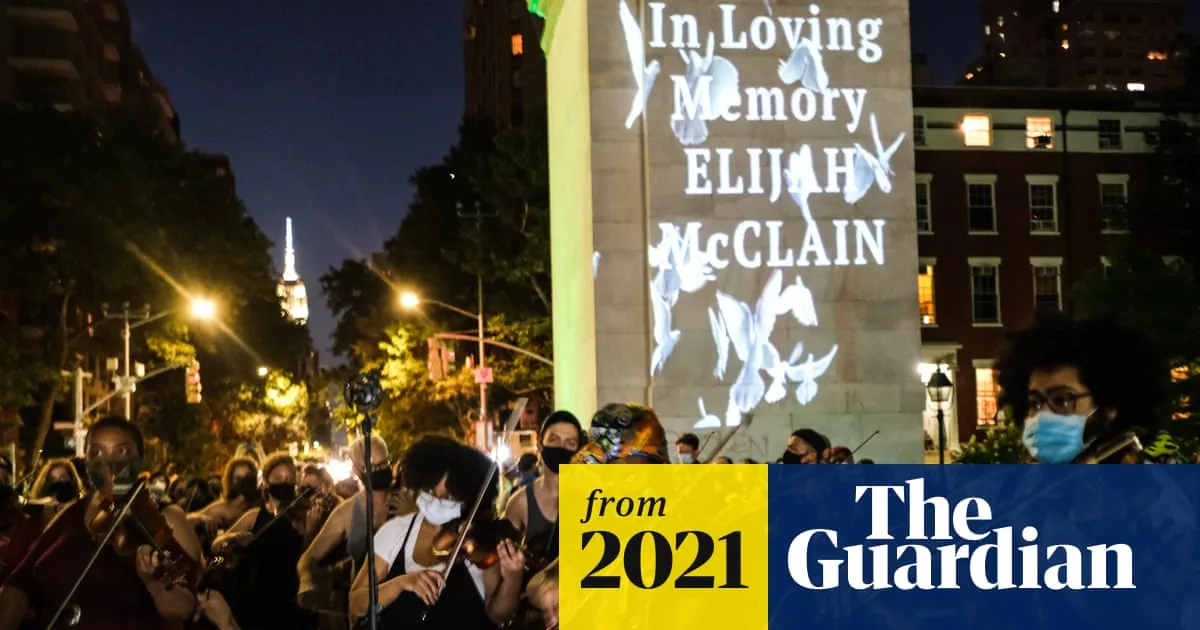
The use of ketamine by police in the US has come under intense scrutiny following the death of Elijah McClain, a 23-year-old Black man who died after being injected with a sedative by paramedics during a police stop in Aurora, Colorado, in 2019. The incident has sparked a national debate about the 'weaponization of medicine' and the disproportionate use of ketamine on Black individuals.
McClain was stopped by police while walking home after a 911 call described him as suspicious. The situation escalated, with officers using a banned chokehold. Paramedics later administered an excessive dose of ketamine, a powerful sedative, after diagnosing McClain with 'excited delirium syndrome'—a controversial condition not recognised by major medical bodies. McClain went into cardiac arrest and died days later.
Data from Colorado shows that medics injected 902 people for excited delirium over 2.5 years, with serious complications in 17% of cases. The American Society of Anesthesiologists has opposed using ketamine for law enforcement purposes. In response, Colorado banned the use of ketamine for excited delirium in June 2020, and a similar federal bill is being considered by Congress.
Critics argue that police pressure paramedics to use ketamine to justify excessive force, while supporters say it is a safer alternative to physical restraint. The McClain family received $15m in a civil lawsuit, and five officers and paramedics face charges of criminally negligent homicide.