The UK government has announced voluntary overnight social media curfews for 16 and 17-year-olds, alongside measures to disable infinite scrolling and impose pauses in AI chatbot usage, under proposals outlined by Technology Secretary Liz Kendall.
Details of the proposals
From midnight to 6am, default settings will block access to social media apps for older teenagers. Functions that keep users engaged, such as endless video reels and algorithmic feeds, will be automatically disabled. However, critics note that teenagers aged 16 and 17 will have the ability to deactivate these default settings, raising doubts about effectiveness.
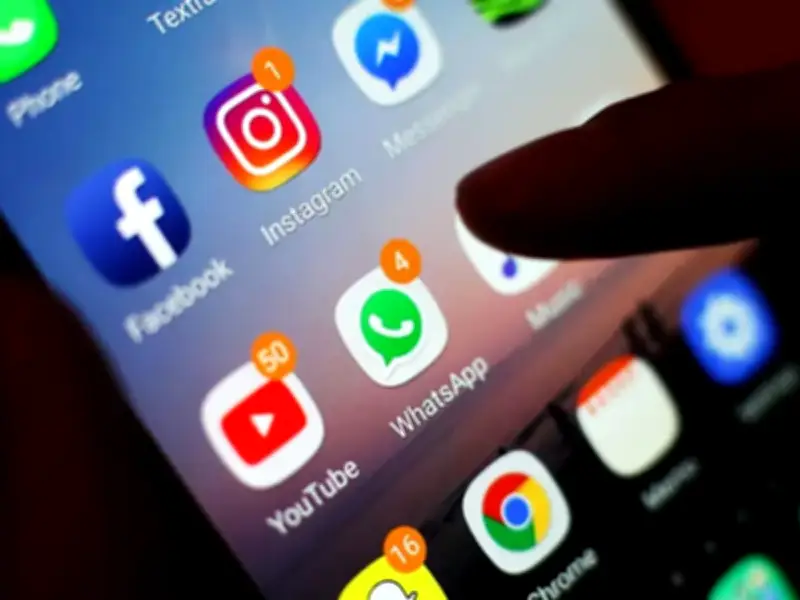
These modifications form part of the government's broader limitations on social media for young people. Last month, Sir Keir Starmer's government revealed a social media prohibition for under-16s, expected to cover platforms including Snapchat, TikTok, YouTube, Instagram, Facebook and X, but not messaging services like WhatsApp and Signal, from next spring.
Government rationale and pilot results
Ms Kendall stated that the latest measures will help ensure under-18s accessing social media apps for the first time are not suddenly exposed to the most addictive features. She said in a statement: "Our consultation provided a clear message from parents and teenagers alike – even as young people gain greater independence at 16, they should still be protected from the most addictive online features that can have a harmful impact on their wellbeing."
She added: "These measures will be crucial in helping young people get the sleep they need, focus on school and college, and spend more quality time with family and friends, all of which are fundamental to building a happy, healthy and fulfilling adult life."
According to the Department for Science, Innovation and Technology (Dsit), families in a government pilot involving over 300 teenagers and parents across the UK reported that overnight curfews helped improve sleep and concentration.
AI safeguards and education
Ms Kendall also aims to introduce new safeguards for children using artificial intelligence. Recommendations include requiring under-18s to take regular breaks while using chatbots, and a clampdown on AI services that provide "dangerous, misleading or unverified mental health advice". Ministers are considering banning chatbots that pose a serious threat to children, Dsit said.
New guidance for children, parents and guardians on safe AI use will be published, and media literacy teaching will be strengthened in schools from September.
Reactions from critics and advocates
Conservative shadow education secretary Laura Trott criticised the plans, saying: "This is another dog's dinner from Labour. Either they think 16 and 17-year-olds should be on social media or they don't, but curfews they can simply switch off won't achieve anything." She added: "Giving 16-year-olds the vote while putting them under a social media curfew makes no sense."
NSPCC chief executive Chris Sherwood said: "These proposed safety measures for 16 and 17-year-olds will go some way to improving the experiences of young people on social media – particularly having autoplay and functions that recommend content turned off by default and a curfew. But the proposals will not be enough on their own. Unless they're followed up with further, stronger measures they will be a sticking plaster that fails to address the addictive design features which are driving high screentime and undermining children's wellbeing."
Children's Commissioner for England Dame Rachel de Souza commented: "We have to listen to young people. They don't want a ban, but they do want to be protected from addictive, infinite scrolling, dangerous strangers trying to chat to them and explicit content they wished they hadn't seen. I have called for action to protect children up to 18 and today's announcement is a positive step." She added: "I want to know more about how the policies, such as a curfew, will be delivered and will be watching closely to make sure they are effective – alongside pushing Ofcom to make full use of its powers to make the online world safer for children."
Colette Collins-Walsh, from the 5Rights Foundation, stated: "Social media bans and curfews only manage exposure to risk. They do nothing to incentivise change in a tech industry built on capturing children's attention."
Andy Lulham, chief operating officer at online safety provider Verifymy, warned that the default setting for the overnight limit for 16 and 17-year-olds "will ask the most of platforms technically, since they'll now need to identify and apply different rules to three distinct groups – the under-16s being banned from next spring, older adolescents, and adults with full, open access". He added: "None of this will work without robust age assurance underpinning it. A default can only do its job if a platform knows, reliably, that a user is 16 or 17."