The global economy is being rocked by US and Israeli attacks on Iran and Tehran's retaliation, with soaring prices at the pump, scrapped mortgage deals, and the prospect of higher costs for everything from food to smartphones. The energy supply shock is said to be the biggest in history, and Iran's supreme leader, Ayatollah Mojtaba Khamenei, has vowed to keep the Strait of Hormuz closed, a vital chokepoint for global energy supplies.
While the impact is felt worldwide, it is unevenly distributed. In Asia, which relies heavily on Middle Eastern oil and gas, Bangladesh has closed all its universities due to fuel shortages, and Pakistan has shut some schools. The Guardian editorial states that it is the world's poorest and most vulnerable who will be worst hit.
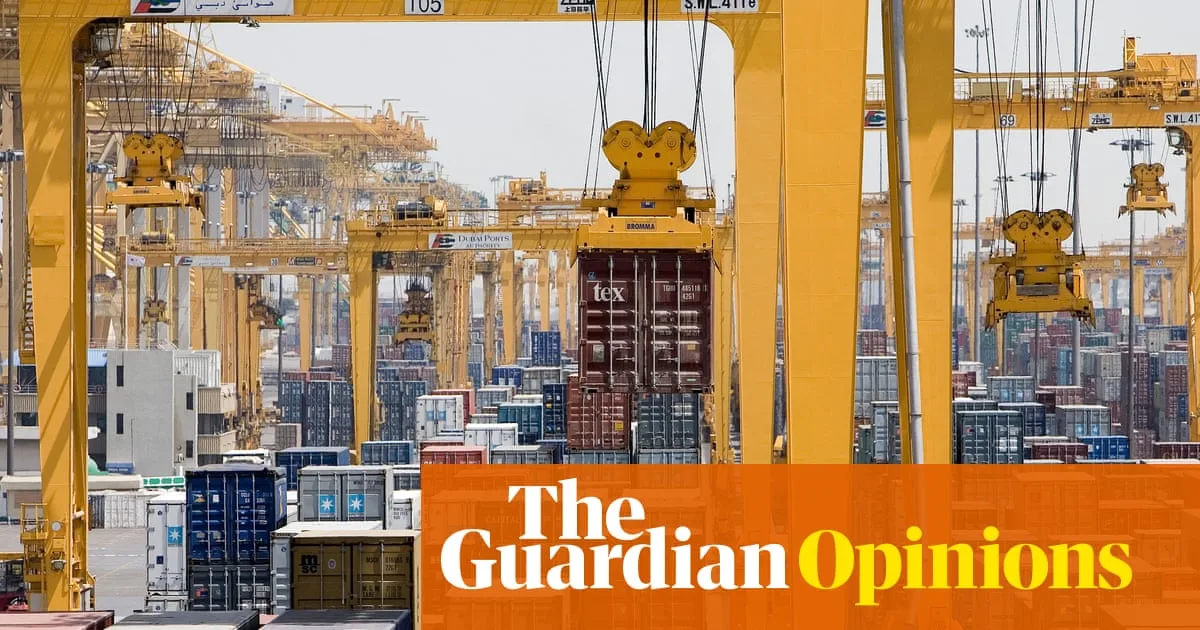
The conflict has created a new humanitarian crisis, with millions displaced in Iran and Lebanon, and more than 17,000 residential buildings damaged. In Gaza, food prices have surged after Israel closed crossings. Relief efforts are struggling: a major humanitarian logistics hub in Dubai caught fire after an intercepted missile strike, and companies are imposing emergency surcharges of about $3,000 a container. The World Food Programme says the crisis has added 9,000km to aid shipments from India to Sudan.
The oil shock raises costs for running clinics and local food production; around half of Sudan's fertiliser comes from the Middle East. Migrant workers are facing reduced remittances as they find less work. Sam Vigersky of the Council on Foreign Relations warns of a developing "polycrisis" that is pushing the hungry toward emergency and those in emergency toward famine. For millions, the economic consequences could mean the difference between life and death.
The UN and others are pressing for safe passage for humanitarian convoys through the Strait of Hormuz and prioritisation of essential goods. The editorial argues that an end to the conflict is the most urgent need. It notes that US voters, who are paying for a war they cannot see the point of, may at least push for a swift exit, while others facing more economic pain can only wait and suffer.