Yemen's Houthis Enter Conflict with Ballistic Missile Attack on Israel
In a significant escalation of the Middle East conflict, Houthi forces in Yemen have fired a salvo of ballistic missiles at Israel, marking their first direct involvement in the ongoing US-Israeli war with Iran. The attack, which occurred on Saturday, has raised alarms about the potential for further damage to the already fragile global economy.
First Houthi Intervention in the War
This intervention by the Iran-backed Houthi rebels introduces a new front in the Arabian peninsula, spreading the conflict beyond its initial boundaries. Yahya Saree, a military spokesman for the Houthis, claimed responsibility for targeting sensitive Israeli military sites. Israel's military confirmed intercepting at least one missile, though details remain under assessment.
The Houthis have declared their intention to continue military operations until what they term the aggression ceases on all fronts. Their entry into the war, now in its second month, follows a vague statement by Saree on Friday signaling the rebels' readiness to join the conflict that has already shocked the region and rattled global markets.
Threat to Global Shipping Routes
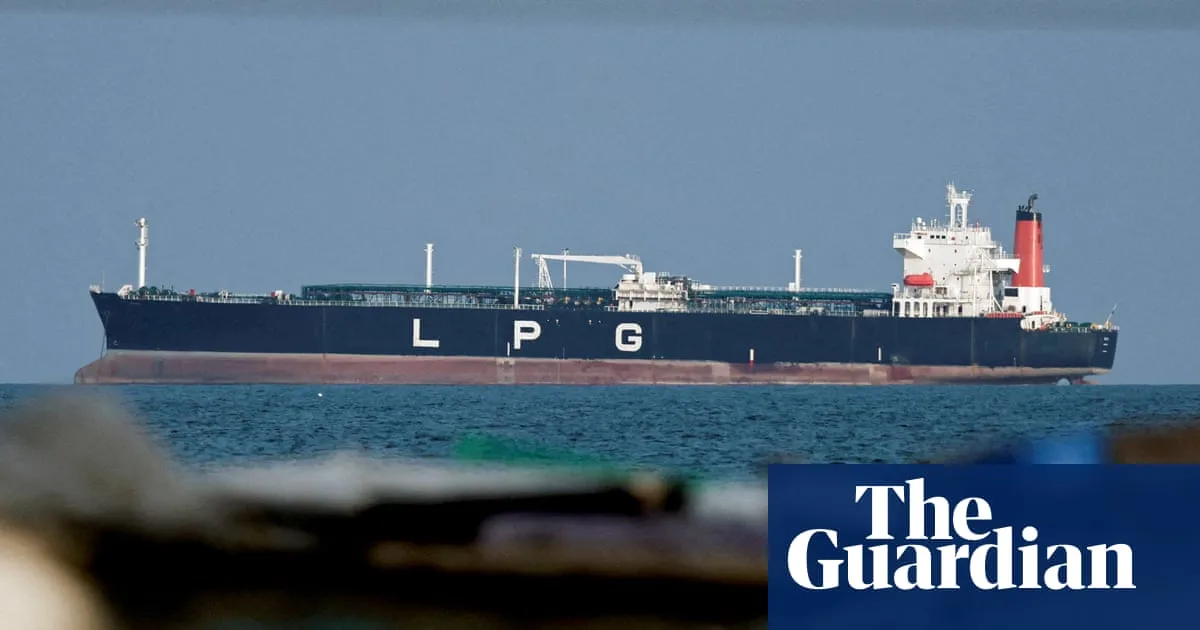
Experts warn that the Houthi involvement could severely disrupt international shipping, compounding existing challenges. The Strait of Hormuz has already been effectively closed by Iran, with multiple tankers attacked, causing significant economic strain. Now, there are fears that the Houthis might target the Bab al-Mandab Strait, a critical choke point leading to the Red Sea and Suez Canal.
Mohamad Elmasry, a professor of Media Studies at the Doha Institute for Graduate Studies, highlighted the potential consequences: If they decided to move to shut down Bab al-Mandeb strait, the Red Sea and, ultimately, the Suez Canal, then we would have two major choke points closed along with the Strait of Hormuz. These are major international shipping waterways for international trade, so I think it can be very significant from that standpoint.
Such a scenario would force shipping companies to reroute vessels around Africa's Cape of Good Hope, a much longer and costlier journey. This could lead to vessels being unable to obtain insurance for travel through the region, exacerbating supply chain disruptions and inflationary pressures globally.
Economic Impacts and Regional Escalation
The closure of the Strait of Hormuz alone has caused substantial global economic pain, as it typically handles one-fifth of the world's oil and gas shipments. Countries worldwide are experiencing soaring costs and strained supplies. For instance, the Philippines declared an energy emergency this week, warning it has only 45 days until fuel reserves are depleted.
Despite American overtures for peace talks, Iran has insisted on continuing to block ships from passing through the Strait. Experts caution that even if the waterway reopened immediately, it would take months for the global economy to recover from the disruptions.
Meanwhile, regional tensions continue to mount. Iran recently fired six ballistic missiles and 29 drones at Saudi Arabia's Prince Sultan air base, wounding at least 15 US troops, five seriously. Israel has struck Iran's nuclear facilities, prompting vows of retaliation from Tehran. In a related development, Iran's central operational command claimed to have targeted a Ukrainian anti-drone system depot in Dubai, alleging it was assisting US forces, though Dubai authorities have not confirmed the strike.
Military Buildup and Diplomatic Efforts
The United States is reinforcing its military presence in the region. The USS George HW Bush aircraft carrier, capable of carrying over 80 aircraft, is deploying to US Central Command in the Middle East. It will be joined by guided missile destroyers USS Donald Cook and USS Mason, with the USS Ross also en route. Approximately 10,000 additional troops are expected in the region within ten days, supported by fighter jet squadrons and armored vehicles, adding to 5,000 marines and 2,000 paratroopers deployed last week.
Diplomatically, Pakistan has sought to act as a peace broker, with Prime Minister Shehbaz Sharif and army commander Field Marshal Asin Munir attempting to facilitate US-Iran talks. However, Tehran has denied any such discussions, contradicting unsubstantiated claims by Donald Trump that contacts were going very well.
Polish Prime Minister Donald Tusk expressed pessimism about near-term stability, stating, I have reasons to believe, also based on information we have received from our allies, that stabilisation is unlikely in the coming days. On the contrary, a new escalation may occur. This sentiment underscores the precarious nature of the conflict as it enters its second month, with the Houthi attack on Israel signaling a dangerous new phase that could deepen the global economic crisis.