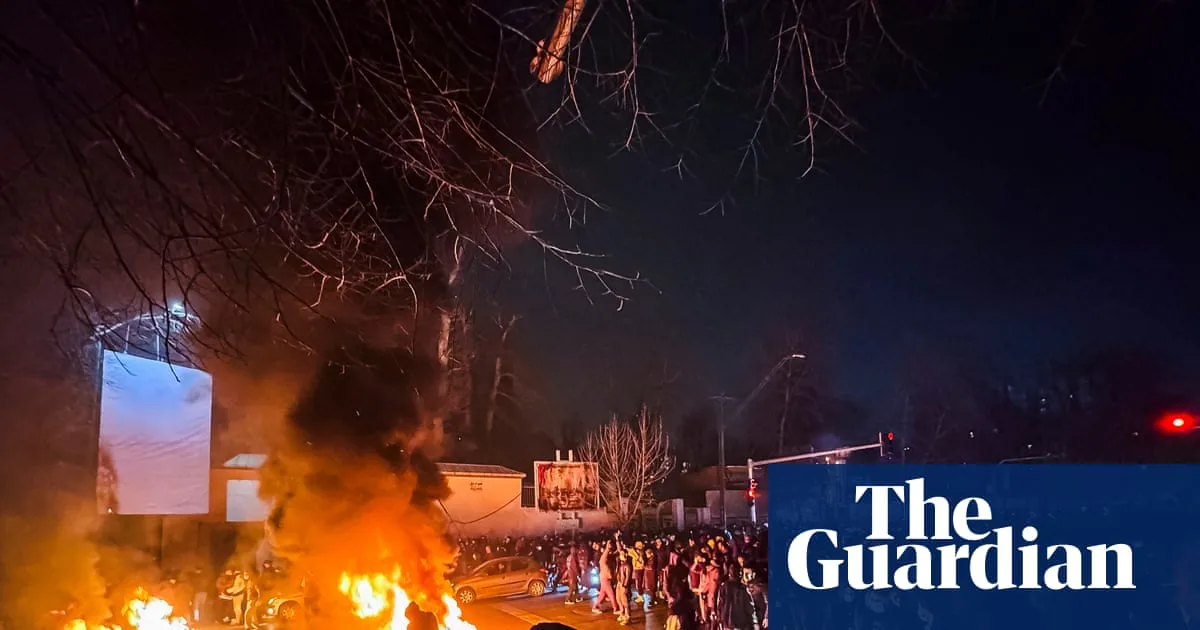
New protests erupted across Iran on Friday, marking the biggest challenge to the Islamic republic in over three years. Demonstrators pressed demands for political reform and an end to the regime's rule, as authorities maintained an internet blackout and a crackdown that has left dozens dead.
In his first speech since the protests began on 28 December, Ayatollah Ali Khamenei described protesters as 'vandals' and 'saboteurs', accusing them of working on behalf of foreign agendas. He referenced US President Donald Trump, who has threatened American intervention if authorities kill protesters. The supreme leader vowed that authorities will not back down, setting the stage for an intensified violent crackdown.
Videos verified by AFP showed protesters in Tehran's Sadatabad district banging pots and chanting anti-government slogans, including 'death to Khamenei'. Similar protests were reported in Mashhad, Tabriz, and the holy city of Qom. The US-based Human Rights Activists news agency said at least 50 people have been killed and more than 2,270 detained.
The protests followed the largest demonstrations since the 2022-2023 movement sparked by the death of Mahsa Amini. Authorities appear more vulnerable this time due to the dire economic situation and the aftermath of last year's conflict with Israel and the US. The head of Iran's judiciary, Gholamhossein Mohseni Ejei, warned of 'decisive, maximum and without any legal leniency' consequences for demonstrators.
The leaders of France, Germany, and the UK issued a joint statement urging restraint, expressing deep concern over reports of violence by security forces. An internet blackout introduced on Thursday has sharply reduced information flow, with Amnesty International saying it aims to hide the extent of human rights violations. Norway-based Iran Human Rights raised the death toll to at least 51, including nine children.