A father reflects on his and his son's social media addiction, questioning the effectiveness of bans and finding dystopian bonding in shared screen time.
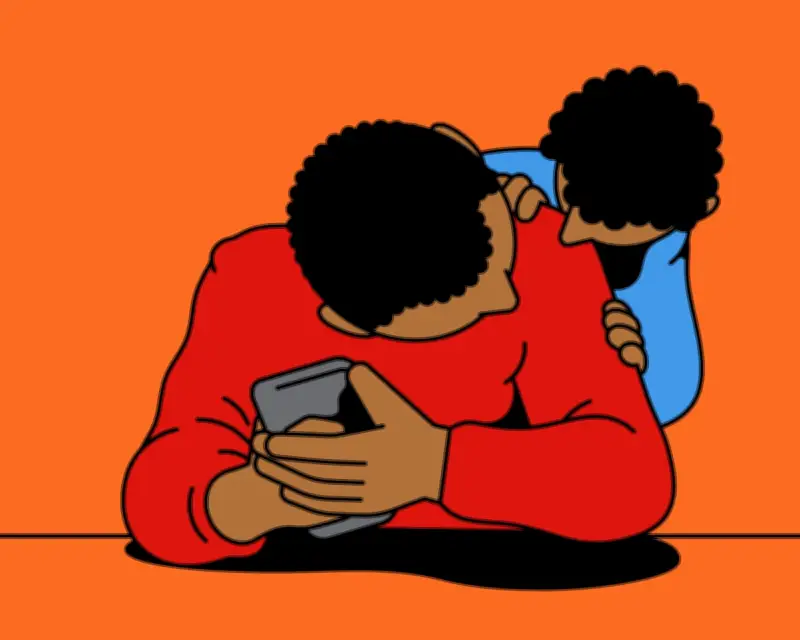
Despite efforts to limit screen time, the author admits both he and his son are deeply addicted to technology. He describes a typical scene where they are both absorbed in their devices, barely noticing each other. The author notes that the battle against social media addiction seems lost, and this is now a normal part of life.
UK Social Media Ban
UK Prime Minister Keir Starmer has announced a comprehensive ban on social media for children under 16, including platforms like Instagram, Facebook, TikTok, X, Snapchat, and YouTube (excluding the kids' version). The ban is modeled on Australia's policy, which has proven easy to circumvent. The author acknowledges the attempt is quixotic but necessary, comparing it to restrictions on underage drinking and smoking.
Parental Modeling
The author admits he could model better behavior by putting his phone away and engaging in outdoor activities or crafts with his son, but he lacks the desire to do so. He prefers to share clips on Instagram, hoping for social validation. His son often peers over his shoulder, curious about his digital activities, leading to moments of shame and transparency.
Impact of YouTube
The author criticizes YouTube for distorting his son's understanding of capitalism, replacing the concept of earning money through work with the idea of gaining clout and aura. He laments that success now seems tied to online popularity rather than hard work.
Dystopian Bonding
Despite the negative aspects, the author finds a twisted form of bonding in watching YouTube together on TV. This parallel play, though dystopian, allows them to share interests and be skeptical of each other's addictions. He concludes that shame and transparency might be more effective than laws in breaking the cycle of addiction.
Perhaps the only thing that will break the cycle of social media addiction isn't an elaborate law, but the basic shame of transparency. Whenever my son peers over my shoulder to ask what I'm doing, I'm snapped out of my own neuroses and placed back into reality. I suffer a bit of embarrassment, then stow my phone back in my pocket. The lure of the infinite void of the internet will come back soon enough, but for at least a moment, my son and I can share a bit of joy. This is the life, I say, as we watch a woman eat a handful of Pop Rocks and brush her teeth.