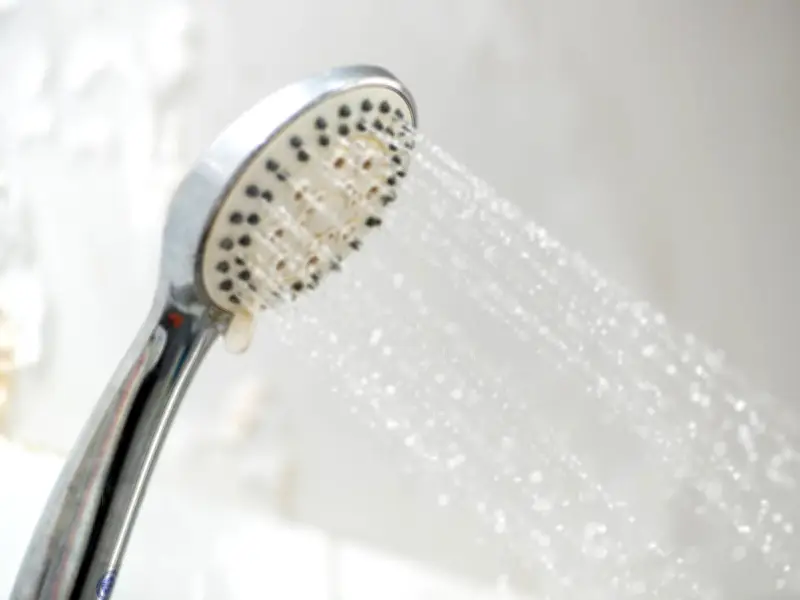
Keeping a glass shower screen spotless is simpler in theory than practice. Between unsightly watermarks and residual droplets of shampoo and body wash, it doesn't take long for shower screens to develop persistent soap scum marks and hazy glass.
Fortunately, there's a straightforward method to restore cloudy shower glass to its former glory using an inexpensive trick that addresses limescale, watermarks and soap scum without requiring harsh bathroom cleaning products. The economical technique uses one cupboard staple to dissolve the chalky residue left when hard water evaporates on glass.
How to Clean Shower Glass with Vinegar
To try it, fill a clean spray bottle with equal measures of distilled white vinegar and warm water, then include a small quantity of washing-up liquid to help shift soap scum. Spray the shower screen from the top downwards and allow it to remain wet for 10 to 20 minutes.
Afterwards, wipe the glass with a soft, non-scratch sponge or microfibre cloth, rinse completely with clean water and dry it immediately with a squeegee or fresh cloth. For more stubborn marks, vinegar-soaked kitchen roll can be applied onto the glass to maintain the solution in position for an extended period.
The crucial point is to allow the vinegar to perform the task rather than scrubbing vigorously, as excessive pressure or abrasive pads can damage certain glass and bathroom surfaces, reports the Express.
Alternative Methods and Expert Advice
You can purchase distilled white vinegar from most supermarkets, including Tesco, where a 568ml bottle costs 35p. Alternative methods for cleaning shower glass exist as well. A paste made from bicarbonate of soda and water can assist with persistent marks when applied gently, while shop-bought limescale sprays offer another solution if you adhere to the instructions and rinse thoroughly. Certain cleaning tutorials also reference toothpaste for minor water stains, though it ought to be applied cautiously and with a soft cloth.
The Pink Stuff paste represents another widely-used cleaning cupboard staple and is marketed for application on glass and showers, but its own product instructions caution against applying excessive pressure on certain surfaces because scratching may result.
Bathroom experts suggest the most common error is treating shower glass like a resilient kitchen worktop. Faz Salloo, director at Bathroom Fort, said: "Shower glass looks solid, but the coatings, seals and metal finishes around it can be more delicate than people realise. Vinegar can be very effective on limescale, but keep it on the glass, rinse it properly and avoid leaving acidic cleaners sitting on chrome-style fittings, natural stone or seals for longer than needed. A soft sponge, a squeegee and regular drying will protect the finish far better than attacking the screen with foil, wire wool or gritty pads."
He added: "If your enclosure is new or has an easy-clean coating, always check the manufacturer guidance first so you do not accidentally shorten the life of the coating."
Preventive Tips for Lasting Shine
Maintaining the shine is simpler than removing months of accumulated grime. Following a shower, squeegee the glass, open a window or switch on the extractor fan, and wipe down the seals where water typically collects. Frequent cleaning also prevents cloudy marks from setting into persistent limescale. A swift wipe every few days can eliminate the need for a more intensive weekend clean and helps preserve a glass shower enclosure's clarity for an extended period.