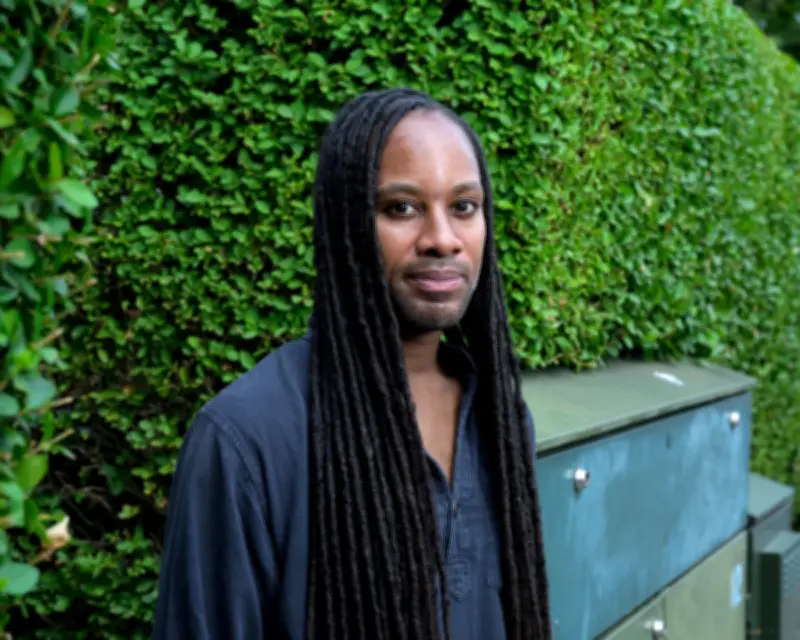
Guardian readers respond to the Jason Arday affair, highlighting systemic flaws in university appointment and promotion processes, as well as the treatment of Black academics.
Systemic failures in academia
One reader, who supplied their name and address, argues that Arday was not an isolated case but evidence of university systems that often fail to detect or challenge exaggerated claims. They recount witnessing falsehoods in promotion applications that went unpunished, with applicants still promoted, and note that those with greater institutional privilege are more likely to get away with embellishments.
The reader points to overworked colleagues and a system that relies heavily on applicants' honesty, leading to a lack of accountability that is unfair to academics who report honestly. They call for more checks and verifiable criteria to prevent future scandals and restore confidence in academic integrity.
Meritocracy myth and racism
Prof Salim Khakoo of the University of Southampton questions the meritocratic ideal of academia, citing intense pressures and a 'chumocratic' culture that promotes like-minded individuals. He notes that low-level racism is common, and ethnic minorities may be excluded from full benefits of their work due to subjective decisions on promotion, publication, and grants.
Khakoo suggests that while it's unclear if Arday is perpetrator or victim, the academic environment he operated in is unlikely to be blameless.
The framing of Black excellence
Memuna Forna from London reflects on the framing of Arday as the youngest Black professor in Cambridge's history, calling it a 'redemption story' that sets a trap. She argues that equality doesn't require anyone to be a miracle, and while she doesn't know if Arday lied, she believes he has been let down by more than himself.
Colton Richards from London sees Arday as representing an obsession with inspiring Black stories, a sad habit of making things up, and a reminder that Black people must be better than perfect to be believed as meritorious.
Compassion and institutional responsibility
Linda Rhead from Hampton, London, appreciates Okundaye's piece and feels Cambridge University did little to cover itself in glory. She admires Arday without judging the allegations and calls for compassion.
Dr Isabel Shutes from the London School of Economics expresses concern over Arday's resignation, questioning what it takes for institutions to protect Black staff and students. She notes that experiences of racism are common and their psychological toll well documented, urging the Guardian to consider what it takes to listen and understand.
Kindness and respect
Another reader, name and address supplied, highlights Arday's well-known kindness in higher education, urging commentators to remember principles of respect and humanity in ongoing debates.