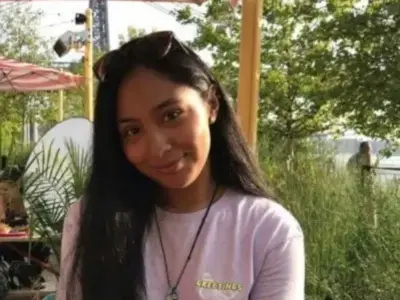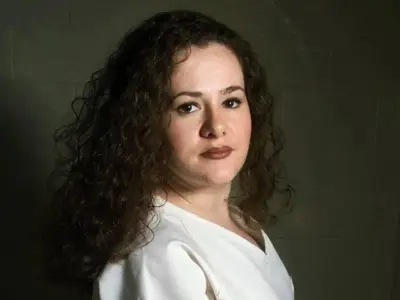
A new documentary published by the Mirror reveals how specific, gendered language forms part of a playbook of abuse aimed at women working in the public eye. The film, titled Occupational Hazard: The War on Women Online, features four women speaking about online abuse connected to their work as journalists.
Dr Rebecca Whittington, who conducted the research and appears in the documentary, investigated hundreds of real-life reports collected over the past five years. Together with an expert in online harm and psychology, she examined how women are targeted with a type of online violence that men do not face in the same way.
Threatening and sexualised abuse
Whittington's research shows that abuse sent to women in the workplace by online users who appear to be men is reported much more highly and is more threatening, violent, personalised and sexualised than that received by their male colleagues. Men do receive abuse, and not all online abuse is sent by men, but the pattern for women is distinct.
One young woman described ceaseless daily harassing emails from a man fixated on her work, berating her professional performance and abilities. When she blocked his email address, he set up another and found her on social media. She feared he would escalate further by turning up at her workplace or contacting her family.
Real-world impact
Three other women spoke of online backlash that escalated into violent death and rape threats, as well as attempts to share personal details such as addresses online. In two of the cases, police investigations either faltered or failed.
All four women expressed ongoing worries about personal safety, took steps to make themselves less visible in public and online, and spoke of changing jobs or changing their behaviour at work. The abuse changed them and their lives in a negative way.
Calls for platform responsibility
The women said they wanted to see platforms and big tech take more responsibility for violence targeting women, as well as the racism and xenophobia running rife online. They called for improved protections, greater transparency and a quicker response to help women and girls reporting online violence. They also wanted more action from the government, police and regulators.
As one woman said: “There needs to be more responsibility and the burden should not be put on the victim.”
Recent research published in Australia revealed a clear link between online misogyny and real-world violence, with the report recommending governments recognise misogyny as part of their counter extremism measures. All but one of the incidents featured in the documentary was sparked by coverage of stories involving or depicting Black people or migrants in the UK or Ireland, with evidence of racist, antisemitic and Islamophobic violence alongside the misogyny.
Rose Capdevila, a professor of psychology at The Open University who specialises in gender and social media, said: “These behaviours reflect the kinds of behaviours we see offline. It is unacceptable, but somehow the online environment is a sphere of the world where it is acceptable to do this.”
In October, the National Centre for Violence Against Women and Girls and Public Protection (NCVPP) declared a 'national emergency' due to rates of physical violence and harm against women, pointing to the significant influence of online environments.
Culture Secretary Lisa Nandy has said she will look into technology facilitated violence against women and girls (TF-VAWG). Ofcom, the Online Safety Act regulator, closed a call for evidence on November 4 to investigate the scale of the issue, and the Department for Science and Technology closed a similar call on the same day.
A spokesperson for Ofcom said tackling abuse towards women was a priority, adding: “If content on a site amounts to a criminal offence, the law is clear that tech firms must take it down when they become aware of it and we’ve shown we’ll take action if evidence suggests companies are falling short.”
A government spokesperson told the Mirror: "These abhorrent acts are perpetuating a culture of abuse and violence against women that has no place in our society," adding: "This government won’t stop until every woman in this country is safe online."
Professor Capdevila said greater regulation of platforms is desperately needed, adding: "They [the platforms] have allowed this to happen, they’ve allowed it to go on in ways no other industry has been allowed to do."