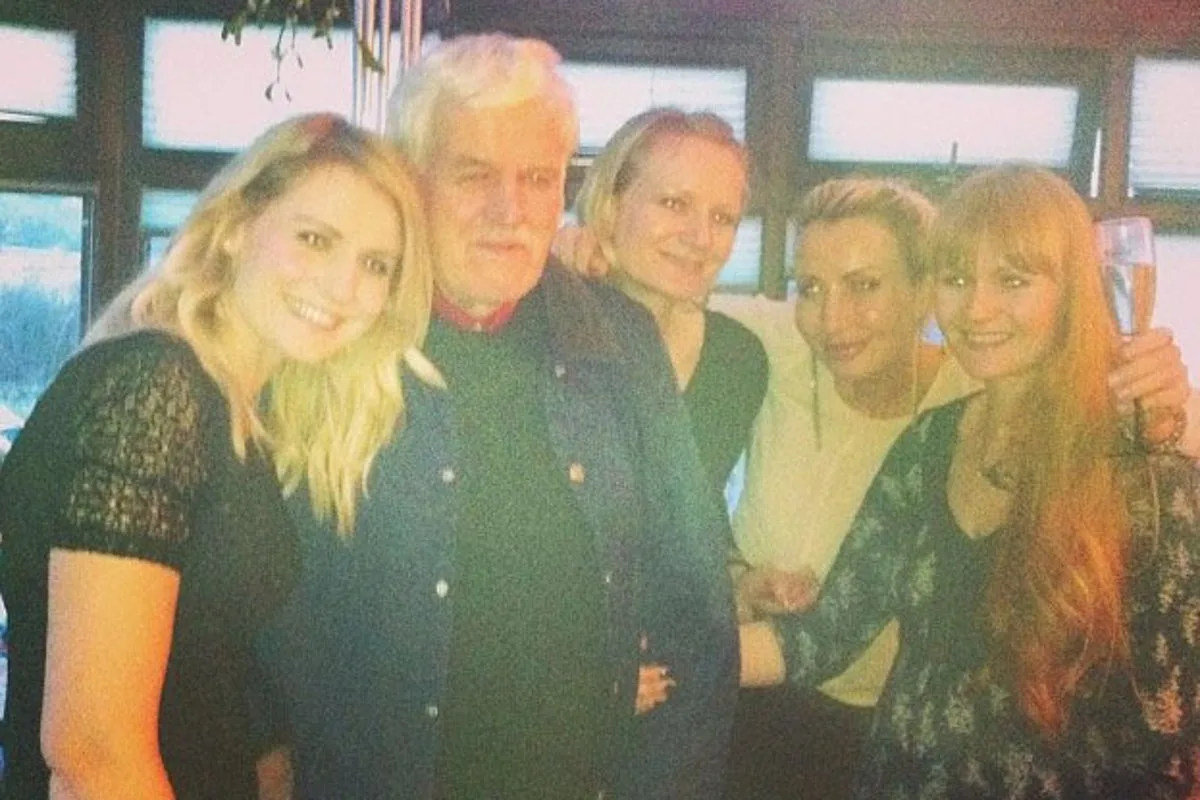
In a dramatic legal victory, four daughters of an eccentric Forest of Dean recluse have defeated their aunt in a bitter court battle over their father's £1 million fortune, after a judge ruled he was suffering from "an insane delusion" when making his will.
The Eccentric Life of Michael Gwilliam
Michael Gwilliam, described in court as "a true son of the Forest of Dean," died at age 79 in February 2022 after living in what was characterised as Gloucestershire's "rural, ancient and somewhat secluded" Forest of Dean. The court heard he worked as both a farmer and antiques dealer while indulging his passion for restoring classic cars.
For most of his life, Mr Gwilliam was known as an eccentric but popular local character who "lived in his overalls and wellies" and enjoyed what was described as a "harmonious" relationship with his four daughters until 2013. He had consistently declined to make a will during this period, believing his estate would automatically pass to his daughters under intestacy rules.
A Sudden Mental Decline
The court heard that after turning 71, Mr Gwilliam's mental health deteriorated rapidly to the point where he believed he was "under siege" in his rural home at New House Farm in the village of Awre, near the banks of the River Severn. He developed what were described as "irrational" suspicions about his neighbours and even his own children.
Medical records indicated he had suffered "some defect in his brain, likely a stroke," with the judge concluding the cause of his delusions was "late onset schizophrenia caused by organic disorder of the brain."
The Controversial Will
After Mr Gwilliam's death, his daughters – Helen Ginger, Georgina Charles, Emily Gwilliam and Caroline Gwilliam – were shocked to discover he had made a will in 2014 that left them just 25% of his estate between them. Their aunt, 81-year-old vintage clothing shop owner Sheila Gwilliam, received 25% in her own right.
A further 15% went to Sheila's son Robert Mickleburgh, while another 25% went to Mr Gwilliam's friend Joan Brooks, with the remainder split between other relatives. Attached to the will was a "letter of wishes" in which Mr Gwilliam claimed his daughters had plotted to have him sectioned and had "rifled my home, stealing prints, china and antiques."
The Legal Challenge
The daughters launched legal proceedings to overturn the will, arguing their father lacked testamentary capacity and that their aunt Sheila along with Joan Brooks had attempted to persuade him to disinherit them. After a trial at the High Court in Bristol, Judge Leslie Blohm ruled in their favour.
The judge found Mr Gwilliam was suffering from "an insane delusion" when the will was drawn up, stating: "In the absence of a defect of the brain, it is difficult to explain such a complete volte face towards his children."
Court Findings and Family Dynamics
Judge Blohm concluded that both Sheila Gwilliam and Joan Brooks had made a series of derogatory statements to Mr Gwilliam about his daughters, "intending to induce Michael to make a will that was less favourable to his daughters." Both women were present when the will was drafted by solicitors.
The judge noted that while Sheila appeared to be "the prime mover" in causing Mr Gwilliam to make his will, Joan was "an associate in this regard." However, he rejected claims of fraudulent calumny against both women, finding they genuinely believed at the time that the sisters were trying to have Mr Gwilliam sectioned "for their own financial gain."
Evidence of Delusion
The court heard compelling evidence about Mr Gwilliam's state of mind in 2014, with one witness describing him as having grown "shaking, frightened and timid" – complaining about a dead neighbour harassing him, his cars being vandalised, and believing he was "under siege at home."
When temporarily sectioned in February 2014 after producing an air rifle at home "to show that he could defend himself if necessary," Mr Gwilliam accused his daughters of "locking him up for their own mercenary purposes."
The Aftermath and Inheritance
Relations became so strained that when Mr Gwilliam died, Sheila barred the daughters from attending their father's funeral in Bath, forcing them to hold a separate memorial service locally. The sisters alleged their aunt claimed they had stolen items from their father's home while he was sectioned.
In his ruling, Judge Blohm found that Michael's daughters had not wanted him sectioned but had considered it in his "best interests" that it happen and that he be "appropriately treated and assisted." He stated: "That is the opposite of being evil, mercenary or bad news."
The judge's ruling that Mr Gwilliam died intestate – without a valid will – means his four daughters as next of kin will inherit his entire estate, which lawyers estimate could be worth up to £1 million. Judge Blohm concluded: "I find that had Michael not been suffering from such insane delusions, he would have made no will at all."